
Seetha Amman Kovil
Nuwara Eliya
Religious Site
Historical Place
Cultural Attraction
Overview
Seetha Amman Kovil is a sacred and culturally significant Hindu temple located near Nuwara Eliya, surrounded by lush greenery, flowing streams, and misty hills. It is the only temple in Sri Lanka dedicated to Seetha Devi, a central character in the Hindu epic Ramayana, making it an important pilgrimage and historical site.
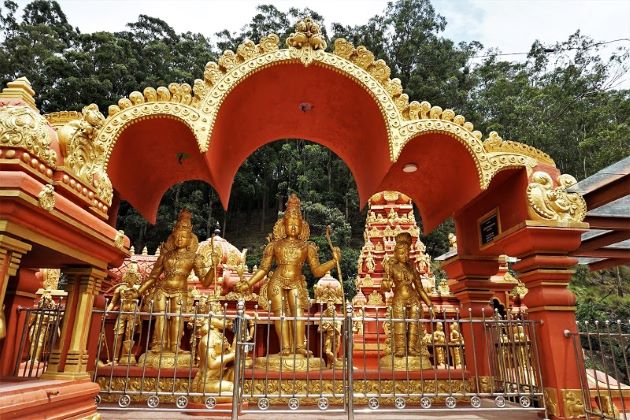
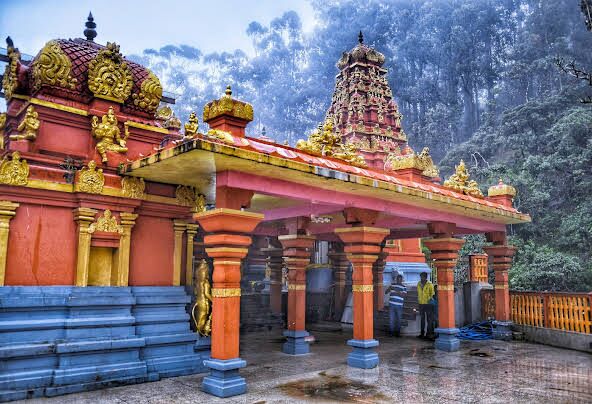
According to legend, this temple is believed to be situated near Ashok Vatika, the place where Princess Seetha was held captive by King Ravana. The temple’s architecture is vibrant and colorful, featuring beautifully carved statues of Lord Rama, Seetha Devi, Lakshmana, and Lord Hanuman. These detailed sculptures and bright colors add to the spiritual charm and visual beauty of the kovil.
Location on Map
Things To See

What can we do ?
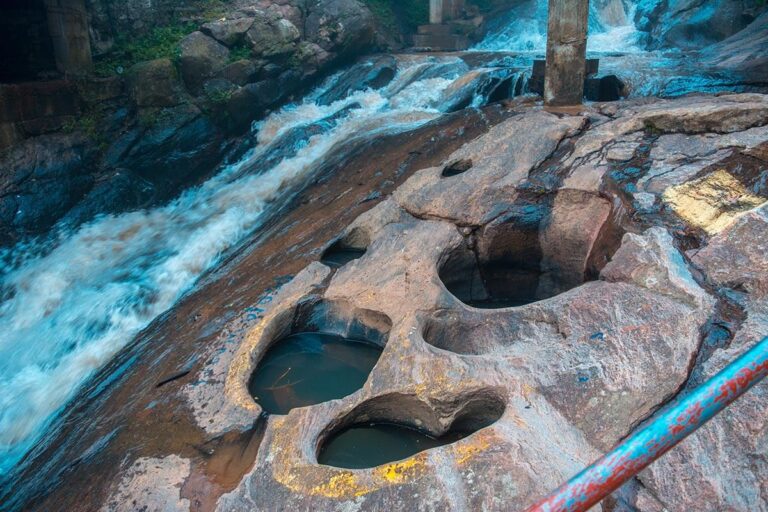
Visitors to Seetha Amman Kovil can offer prayers to Goddess Sita, explore the temple's colorful architecture, and learn about its connection to the Ramayana. You can also visit the nearby stream and rock markings associated with local legends, enjoy the peaceful surroundings, and capture beautiful photographs of the temple and the scenic hills of Seetha Eliya.
- Offer prayers and seek blessings at the temple dedicated to Goddess Sita.
- Learn about the Ramayana and the legends connecting the temple to Sita, Ravana, and Hanuman.
- Admire the colorful temple architecture, intricate carvings, and beautifully crafted statues.
- Take photographs of the vibrant temple, surrounding hills, and scenic landscapes.
- Visit the nearby stream, traditionally believed to be where Goddess Sita bathed.
- See the rock markings that local tradition associates with the footprints of Lord Hanuman.
- Enjoy a peaceful walk around the temple grounds and experience the tranquil atmosphere.
- Take in the cool climate and natural beauty of Seetha Eliya, surrounded by tea plantations and lush greenery.
- Participate in religious ceremonies or festivals if visiting during special Hindu celebrations.
- Spend time in quiet reflection or meditation in the temple's serene environment
Which time best for visit ?
The best time to visit Seetha Amman Kovil is during the morning (8:00 AM – 11:00 AM) when the weather is cool, the temple is less crowded, and visitors can enjoy a peaceful spiritual experience. The period from December to April is considered ideal as the climate in Nuwara Eliya is pleasant with less rainfall. Late afternoon (3:00 PM – 5:00 PM) is also a good time to explore the temple and enjoy beautiful views of the surrounding hills.
Early Morning (Sunrise / Golden Hour)
Cool weather, soft light, fewer crowds 8:00 AM- 11:00 AM
Late Afternoon (Sunset / Golden Hour)
Warm tones, scenic skies, ideal for photos 3:00 PM-5:00 PM
Midday
Not recommended due to heat and harsh sunlight
Night
Suitable only for city lights and special photography
Early Morning (Sunrise / Golden Hour)
Cool weather, soft light, fewer crowds
Late Afternoon (Sunset / Golden Hour)
Warm tones, scenic skies, ideal for photos
Midday
Not recommended due to heat and harsh sunlight
Night
Suitable only for city lights and special photography
Special Features
Seetha Amman Kovil is famous for its connection to the Ramayana legend, colorful Dravidian-style architecture, and spiritual importance. The temple is surrounded by beautiful hills and greenery, with a nearby stream and rock markings linked to local traditions about Goddess Sita and Lord Hanuman. Its peaceful atmosphere and cultural significance make it a unique attraction in Nuwara Eliya.
- Ramayana Historical Significance – Believed to be the place where Goddess Sita was held captive by King Ravana according to the Ramayana legend.
- Sacred Ashoka Vatika Location – The surrounding area is traditionally connected with the garden where Sita stayed during her captivity.
- Colorful Temple Architecture – Features beautiful Dravidian-style designs, vibrant statues, and detailed carvings.
- Hanuman Footprint Legends – Nearby rock markings are believed by tradition to represent the footprints of Lord Hanuman.
- Sacred Stream – A nearby stream is associated with the legend that Goddess Sita bathed there.
- Beautiful Natural Surroundings – Located among misty mountains, tea plantations, and lush greenery of Seetha Eliya.
- Important Pilgrimage Site – One of the most visited Hindu religious places in Sri Lanka and a key stop on the Ramayana Trail.
How can we arrive?
Seetha Amman Kovil is located in Seetha Eliya, near Nuwara Eliya. From Nuwara Eliya town, you can reach the temple by train, taxi, private vehicle, or bus. It is about 5 km away and takes around 10–15 minutes by road. Visitors traveling by bus can take a bus towards Welimada or Badulla and get down at Seetha Eliya. The temple is easily accessible along the Nuwara Eliya–Welimada Road (A5).
By Bus
From Nuwara Eliya town, take a bus heading towards Welimada or Badulla and get down at Seetha Eliya.
The temple is located a short walking distance from the main road. Buses are an affordable and convenient option for budget travelers.
By Train
There is no direct train service to Seetha Eliya. The nearest railway station is Nanu Oya Railway Station.
From Nanu Oya, you can take a bus, tuk-tuk, or taxi to Nuwara Eliya and continue to Seetha Amman Kovil (about 20–30 minutes by road).
By Private Vehicle
Traveling by private car or van is the most comfortable option.
From Nuwara Eliya town, follow the Nuwara Eliya–Welimada Road (A5) towards Seetha Eliya.
The journey takes around 10–15 minutes.
Start planning your
Sri Lanka trip
for free
Build your itinerary, save places, optimize routes, and explore Sri Lanka with KKF Trip Basket.
Frequently Asked Questions
Is photography allowed inside the temple?
Photography is allowed in many outdoor areas, but visitors should follow any restrictions inside the main shrine
Can non-Hindus visit Seetha Amman Kovil?
Yes, visitors from all religions are welcome to visit while respecting temple customs and traditions.
Is parking available near the temple
Yes, parking facilities are available near the temple for cars and other vehicles.