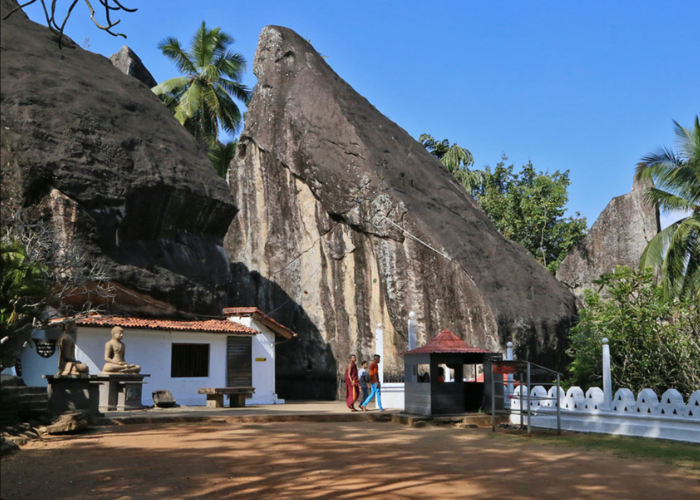
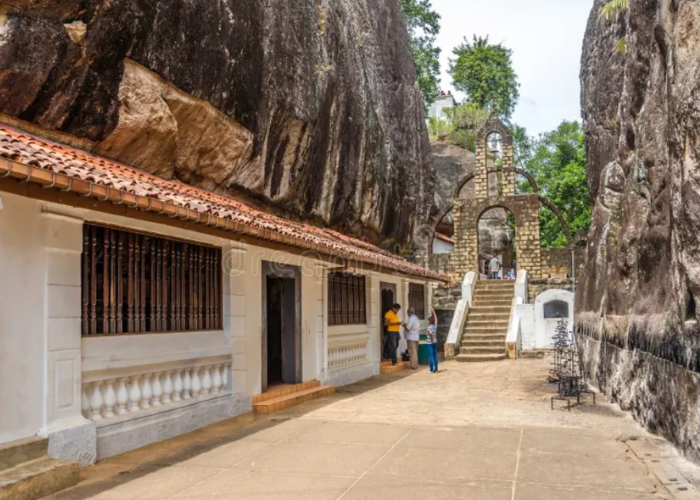
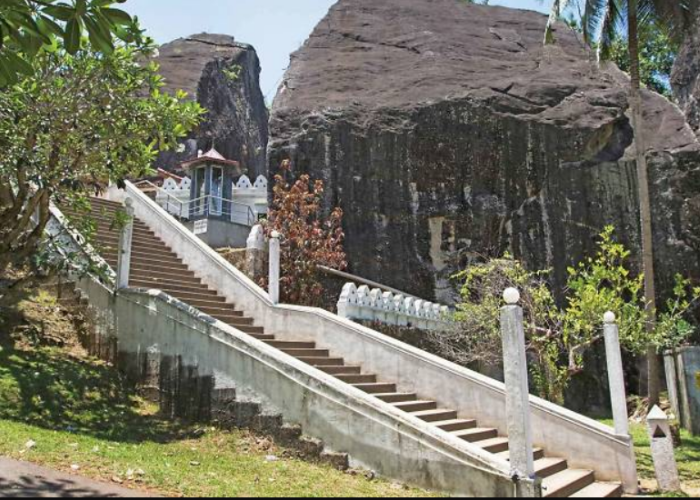
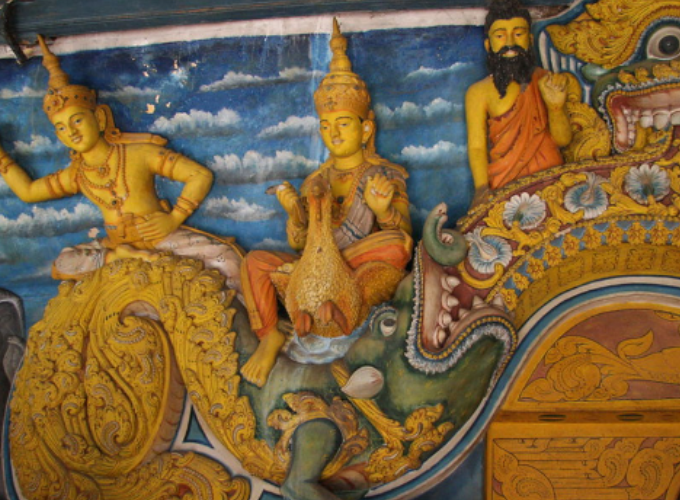
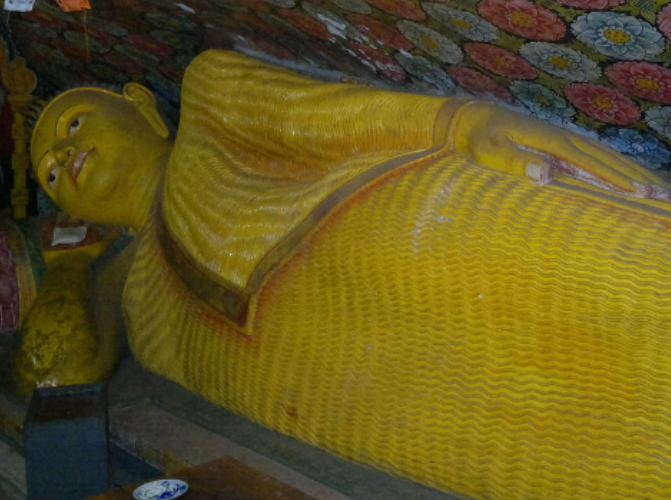
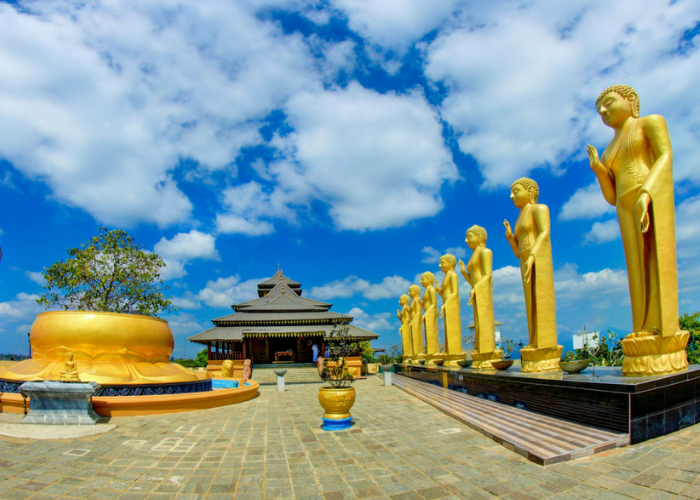
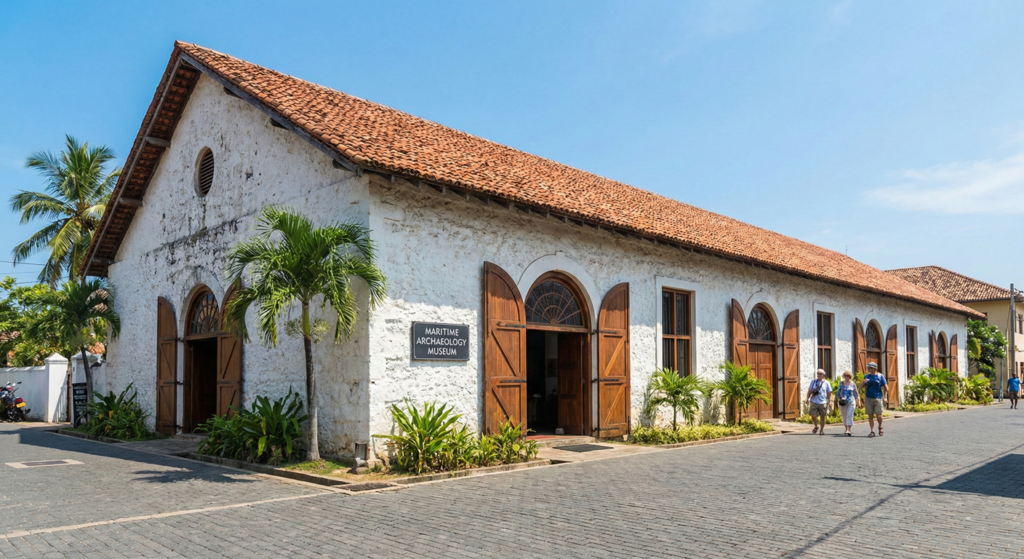
Aluvihare Rock Temple is an ancient Buddhist temple located in the Matale District of Central Province, Sri Lanka. Surrounded by rocky hills and peaceful natural surroundings, this historic temple is famous for its ancient cave chambers, Buddha statues, murals, and its important role in Sri Lankan Buddhist history.
The temple is believed to be the place where the Tripitaka (Buddhist scriptures) were first written down in Pali on palm leaves during the 1st century BCE. Visitors can explore traditional cave temples, ancient paintings, religious sculptures, and experience the calm spiritual atmosphere of this remarkable heritage site.
Location on Map
Things To See
What can we do ?
Aluvihare Rock Temple offers visitors a peaceful cultural and historical experience surrounded by ancient Buddhist heritage.
Explore ancient rock caves.
Observe Buddha statues and religious artwork.
Learn about Sri Lanka’s Buddhist history.
View traditional cave paintings.
Experience a peaceful spiritual environment.
Capture historical and architectural photographs.
Enjoy views of the surrounding landscape.
Discover ancient temple structures.
Learn about the writing of the Tripitaka.
Experience Sri Lankan cultural heritage.
Which time best for visit ?
Early morning and late afternoon are the best times to visit Aluvihare Rock Temple. Cooler temperatures, peaceful surroundings, and soft natural lighting create ideal conditions for exploring, photography, and enjoying the historical atmosphere.
Early Morning (Sunrise / Golden Hour)
Cool weather, peaceful surroundings, and fewer visitors.
Late Afternoon (Sunset / Golden Hour)
Soft lighting is ideal for photography and relaxing visits.
Midday
Clear views of the temple, caves, and surroundings with bright sunlight.
Night
Not recommended due to limited lighting and safety concerns.
Early Morning (Sunrise / Golden Hour)
Cool weather, peaceful surroundings, and fewer visitors.
Late Afternoon (Sunset / Golden Hour)
Soft lighting is ideal for photography and relaxing visits.
Midday
Clear views of the temple, caves, and surroundings with bright sunlight.
Night
Not recommended due to limited lighting and safety concerns.
How can we arrive?
Aluvihare Rock Temple is located near Matale town and is easily accessible by road.
By Bus
Take a bus to Matale town and continue towards Aluvihare using local buses, tuk-tuks, or taxis.
By Train
Travel by train to Matale Railway Station. From the station, continue by taxi, tuk-tuk, or local transport to the temple.
By Private Vehicle
Drive from Matale towards Aluvihare along the main roads. Private vehicles provide convenient access and allow visitors to explore nearby attractions.
Start planning your
Sri Lanka trip
for free
Build your itinerary, save places, optimize routes, and explore Sri Lanka with KKF Trip Basket.