
Foods & Culture
Sri Lankan traditional culture is a unique and colorful heritage shaped by over 2,500 years of history. It is deeply influenced by Buddhism, as well as Hindu, Muslim, and Christian traditions. The culture reflects values such as respect for elders, strong family bonds, hospitality, and spirituality.
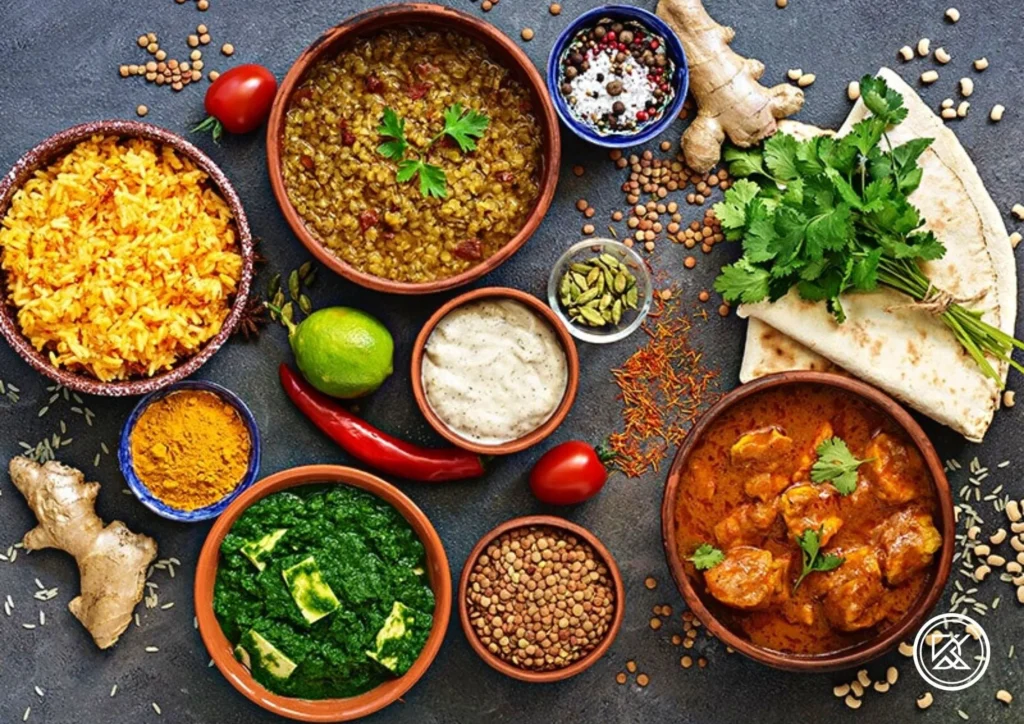
Sri Lankan traditional cuisine is known for its rich flavors and spices. Rice and curry is the staple meal, served with vegetables, fish, or meat dishes. Special sweets like kavum, kokis, and aluwa are prepared during Sinhala and Tamil New Year celebrations.
Sri Lankan food and culture are closely connected, reflecting the country’s long history, natural resources, and multicultural society. As an island in the Indian Ocean, Sri Lanka has been influenced by Indian, Arab, Malay, Portuguese, Dutch, and British traditions. These influences can be seen clearly in the country’s cuisine, festivals, clothing, and daily lifestyle.
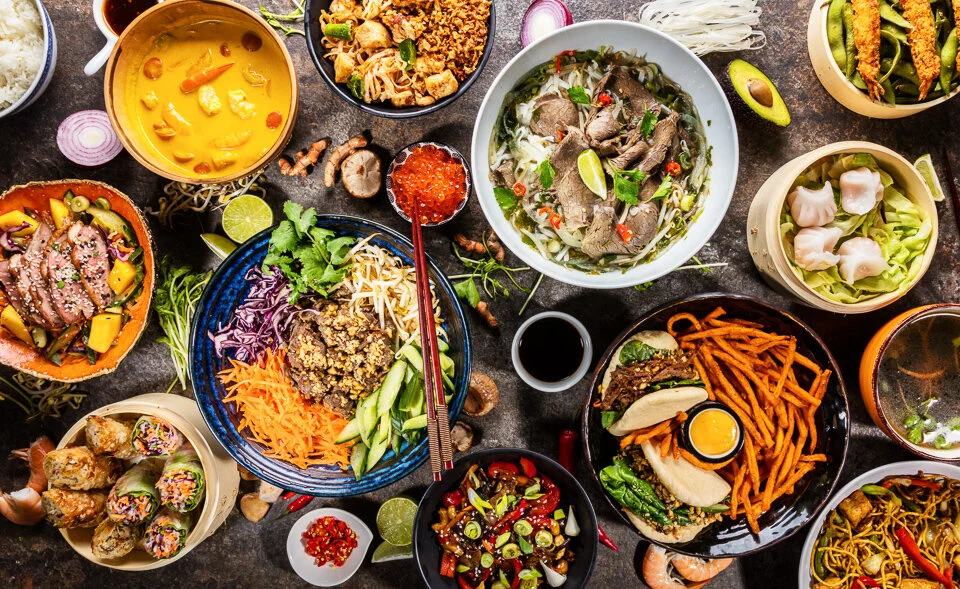
Rice is the primary food of the Sri Lankan people, and “rice and curry” is the most popular traditional dish. A normal meal consists of a plate of steamed rice accompanied by a variety of curries prepared from vegetables, lentils, fish, or meat. Coconut, chilies, and spices like cinnamon, cardamom, and curry leaves are used extensively, which gives the Sri Lankan cuisine its distinctive aroma and spicy taste.
Sri Lankan street foods are also quite popular and reflect the rich culture of the country. Foods like kottu roti, hoppers (appa), and string hoppers are enjoyed by people of all age groups. Kottu roti, a dish prepared by chopping flatbread along with vegetables, egg, or meat, is particularly well-known for its distinctive sound when it is prepared on a hot iron plate.
Traditional sweets have a significant role in cultural events. During the Sinhala and Tamil New Year, people prepare sweet dishes like kavum, kokis, aluwa, and mung kavum. These sweets are distributed to relatives and neighbors, which signifies unity, joy, and prosperity.
Religion greatly influences Sri Lankan culture and food habits. Many Buddhists and Hindus practice vegetarianism on religious days, while Muslims and Christians have their own special dishes for festivals like Ramadan and Christmas. Food is often offered at temples and religious places as a sign of gratitude and devotion.
Family and hospitality are central values in Sri Lankan culture. Guests are warmly welcomed and always offered food or tea as a sign of respect. Sharing meals together strengthens family bonds and reflects the caring nature of Sri Lankan society.
In conclusion, Sri Lankan foods and culture are deeply intertwined. From spicy curries to colorful festivals and traditional dances, every aspect of life shows pride in heritage and strong community values. This rich cultural identity continues to be preserved and celebrated by Sri Lankans around the world.