
Gal Vihara
Polonnaruwa
Religious Site
Historical Place
Cultural Attraction
Overview
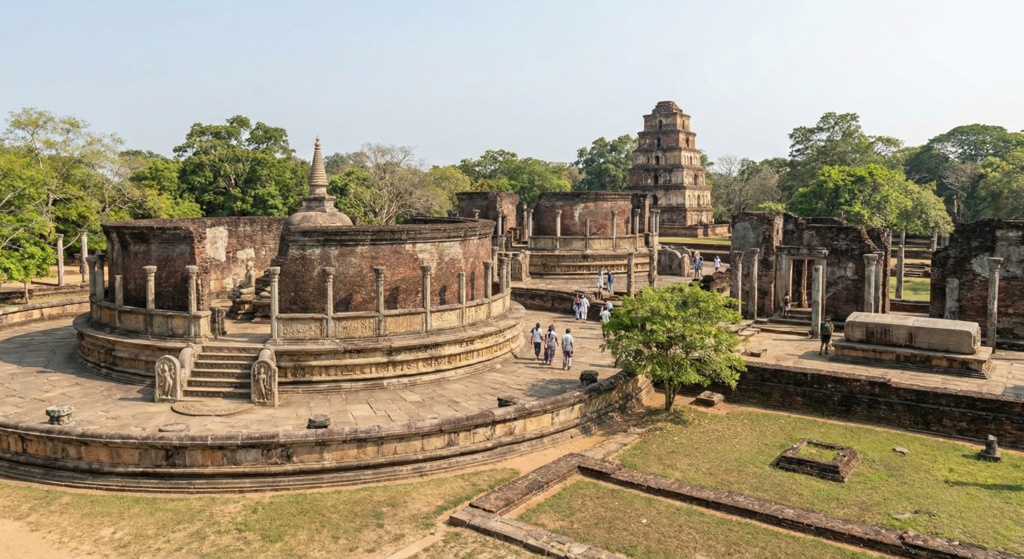
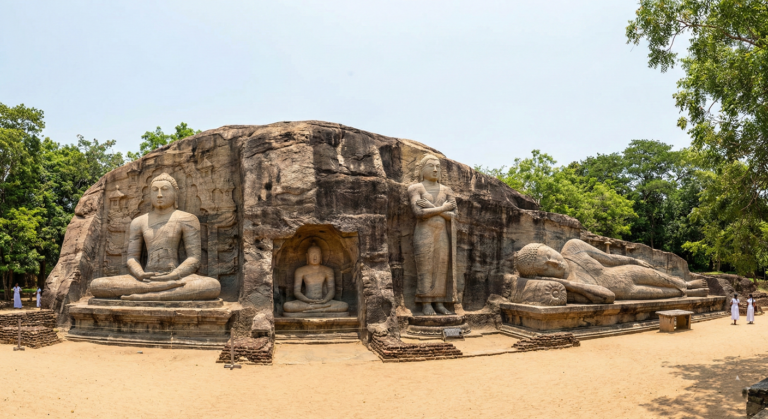
This is undoubtedly the most famous and artistically impressive structure in the Polonnaruwa archaeological site. Built by King Parakramabahu the Great (1153–1186 AD), it was formerly known as the "Uttararamaya" (the monastery north of the city).
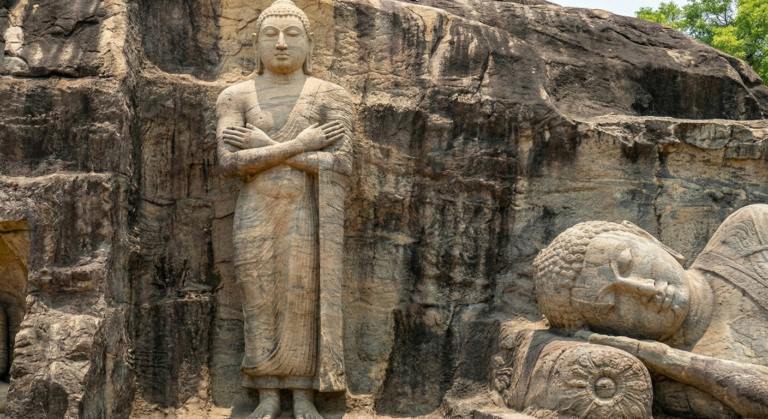
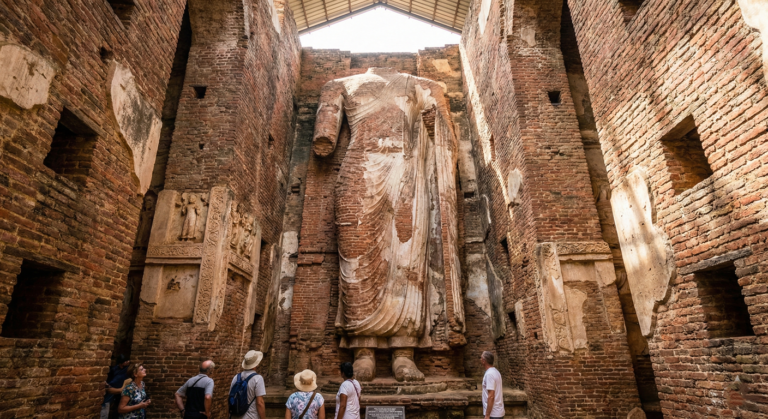
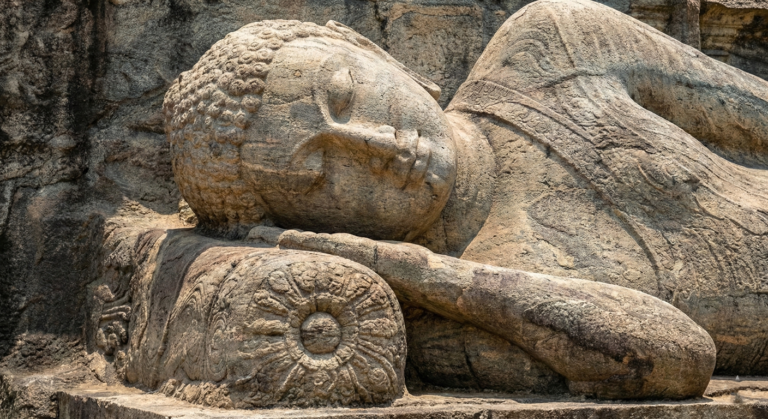
The uniqueness of this structure is that four Buddha statues have been carved into a naturally occurring granite rock face, using the stone to create a very intricate design. The serenity of the faces of these statues and the realistic way in which even the folds of their robes are carved into the stone have been highly praised by critics around the world. Although they are now outdoors, evidence has been found that each of these statues had separate roofed buildings (statue houses) in the past.
Location on Map
Things To See
What can we do ?
- Admire the Rock-Cut Buddha Statues – View the four magnificent Buddha statues carved from a single granite rock, showcasing exceptional craftsmanship.
- Capture Beautiful Photographs – Take memorable photos of the statues and the surrounding ancient landscape (while respecting site rules).
- Experience a Spiritual Atmosphere – Spend time in quiet reflection or meditation in this sacred Buddhist site.
- Learn About Sri Lankan History – Discover the history of King Parakramabahu I and the significance of Gal Vihara in the ancient city of Polonnaruwa.
- Walk Around the Heritage Site – Explore the well-preserved archaeological surroundings and enjoy the peaceful environment.
Which time best for visit ?
The best time to visit Gal Vihara is early in the morning (7:00 AM–10:00 AM) or late in the afternoon (3:30 PM–5:30 PM). During these hours, the weather is cooler, the lighting is ideal for photography, and the site is less crowded, allowing you to enjoy the peaceful atmosphere. If possible, visit during the dry season from May to September for the most comfortable sightseeing experience.
Early Morning (Sunrise / Golden Hour)
Cool weather, soft light, fewer crowds
Late Afternoon (Sunset / Golden Hour)
Warm tones, scenic skies, ideal for photos
Midday
Not recommended due to heat and harsh sunlight
Night
Suitable only for city lights and special photography
Early Morning (Sunrise / Golden Hour)
Cool weather, soft light, fewer crowds
Late Afternoon (Sunset / Golden Hour)
Warm tones, scenic skies, ideal for photos
Midday
Not recommended due to heat and harsh sunlight
Night
Suitable only for city lights and special photography
How can we arrive?
Gal Vihara is located within the Ancient City of Polonnaruwa and is easily accessible by bus, train, or private vehicle. Visitors can travel to Polonnaruwa from major cities such as Colombo, Kandy, or Dambulla, then take a tuk-tuk or taxi to the site. Traveling by private vehicle is the most convenient option, offering a comfortable journey and easy access to the attraction.
By Bus
Take a bus to Polonnaruwa Bus Stand from major cities such as Colombo, Kandy, or Dambulla.
From the bus stand, Gal Vihara is about 4 km away, and you can easily reach it by tuk-tuk or taxi.
By Train
There is no direct train to Polonnaruwa. You can take a train to Habarana and then continue by bus or taxi to Polonnaruwa.
From there, a short tuk-tuk ride will take you to Gal Vihara.
ByPrivete Vehicle
Driving is the most convenient option. From Colombo, the journey takes approximately 5–6 hours via the A1 and A11 highways.
parking available near the entrance.
Start planning your
Sri Lanka trip
for free
Build your itinerary, save places, optimize routes, and explore Sri Lanka with KKF Trip Basket.
Frequently Asked Questions
Are there guides available at Gal Vihara?
Yes, local guides are available to provide information about the history and significance of the site.
What is Gal Vihara famous for?
Gal Vihara is famous for its magnificent rock-cut Buddha statues carved from a single granite rock during the Polonnaruwa Kingdom.
Is Gal Vihara a religious site?
Yes, Gal Vihara is a sacred Buddhist site and visitors should dress modestly and behave respectfully.