
Kumana National Park
Ampara
Nature Atraction
Wild Life
Overview
Kumana National Park is one of Sri Lanka’s most important wildlife and birdwatching destinations. Located on the southeastern coast, the park is famous for its rich birdlife, wetlands, lagoons, forests, and natural landscapes. It is an excellent destination for visitors who enjoy wildlife safaris, nature photography, and peaceful outdoor experiences.
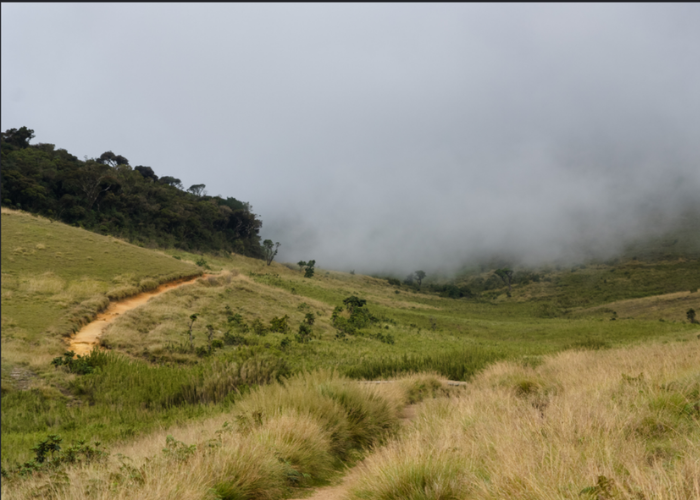
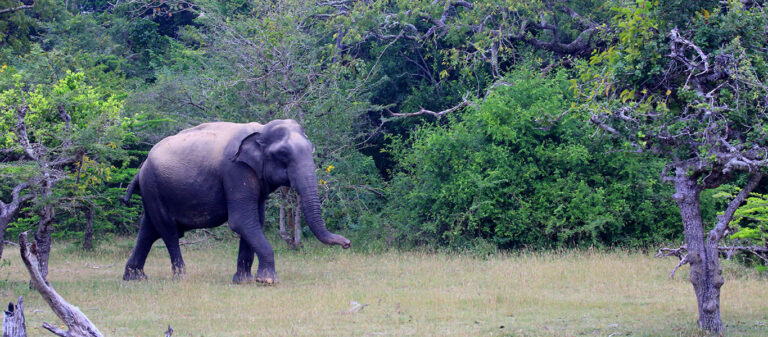
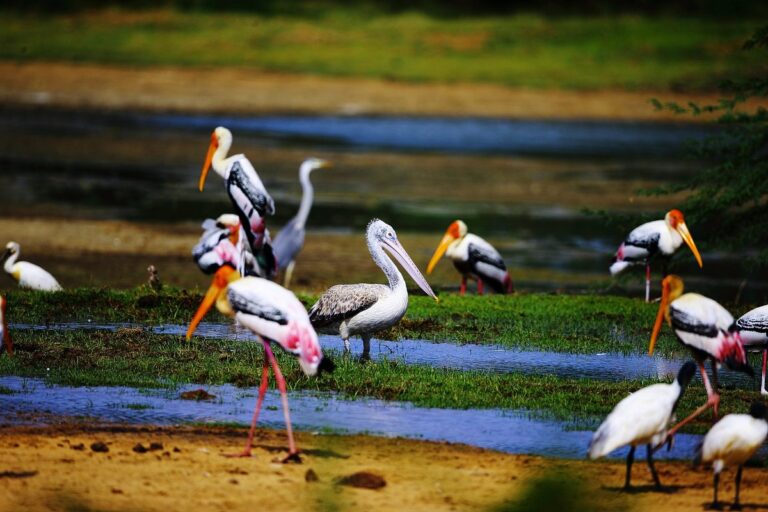
Kumana National Park covers a diverse natural environment with wetlands, mangroves, lagoons, grasslands, and dry-zone forests. The park is especially well known for the Kumana Villu, a natural wetland that attracts many species of resident and migratory birds. Visitors may also encounter elephants, deer, wild boar, crocodiles, and other wildlife during a safari.
Location on Map
Things To See


What can we do ?
A visit to Kumana National Park offers a wonderful opportunity to explore Sri Lanka’s wildlife in a natural setting. Safari trips are the main attraction, while birdwatching and photography are particularly popular among visitors.
- Go on a wildlife safari
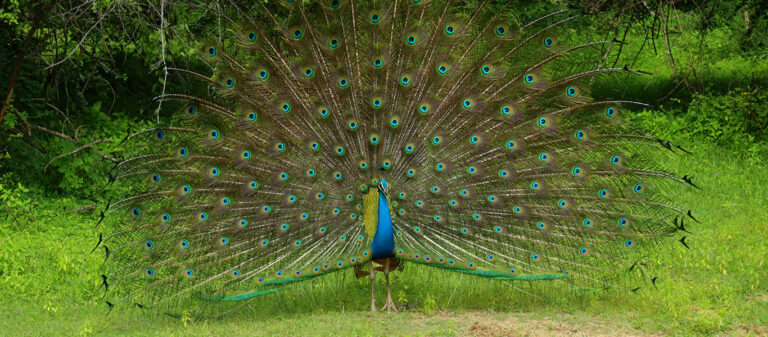
- Watch resident and migratory birds
- Explore the Kumana Villu wetland
- Photograph elephants and other wildlife
- Look for crocodiles around waterways
- Observe deer, wild boar, and buffalo
- Enjoy nature and forest landscapes
- Experience bird photography
- Explore the park with an experienced safari guide
Which time best for visit ?
The best time to visit Kumana National Park is generally from February to July, when the park offers excellent opportunities for birdwatching and wildlife observation. The dry conditions during this period can also make it easier to spot animals around water sources. Early morning and late afternoon are the best times for a safari because wildlife is usually more active during these cooler hours.
Early Morning (Sunrise / Golden Hour)
Cool weather, soft light, fewer crowds
Late Afternoon (Sunset / Golden Hour)
Warm tones, scenic skies, ideal for photos
Midday
Not recommended due to heat and harsh sunlight
Night
Suitable only for city lights and special photography
Early Morning (Sunrise / Golden Hour)
Cool weather, soft light, fewer crowds
Late Afternoon (Sunset / Golden Hour)
Warm tones, scenic skies, ideal for photos
Midday
Not recommended due to heat and harsh sunlight
Night
Suitable only for city lights and special photography
How can we arrive?
Kumana National Park is located in southeastern Sri Lanka and is commonly accessed from the Panama and Arugam Bay side. Since the park entrance and safari areas are away from major transport hubs, private vehicles and safari jeeps are the most convenient options.
By Bus
Visitors can take a bus towards Arugam Bay or Panama from major towns such as Ampara.
From Panama, visitors can arrange a private vehicle or safari jeep to reach the park entrance.
By Train
There is no railway station directly at Kumana National Park.
Visitors travelling by train can reach Batticaloa or another nearby railway town, then continue by bus, taxi, or private vehicle towards Panama and Kumana.
ByPrivete Vehicle
Travelling by private vehicle is one of the easiest ways to reach Kumana National Park.
Visitors can travel towards Arugam Bay → Panama → Kumana National Park. A safari jeep is normally required for exploring the park.
Start planning your
Sri Lanka trip
for free
Build your itinerary, save places, optimize routes, and explore Sri Lanka with KKF Trip Basket.
Frequently Asked Questions
What is Kumana National Park famous for?
Kumana National Park is especially famous for its rich birdlife, wetlands, and birdwatching opportunities. It is also home to elephants, crocodiles, deer, wild boar, and many other species.
Is Kumana National Park good for birdwatching?
Yes. Kumana is one of the best birdwatching destinations in Sri Lanka. The park attracts many resident and migratory birds, particularly around its wetlands.
Can we see elephants in Kumana?
Yes. Elephants live in the park, and visitors may see them during wildlife safaris. However, sightings cannot be guaranteed.