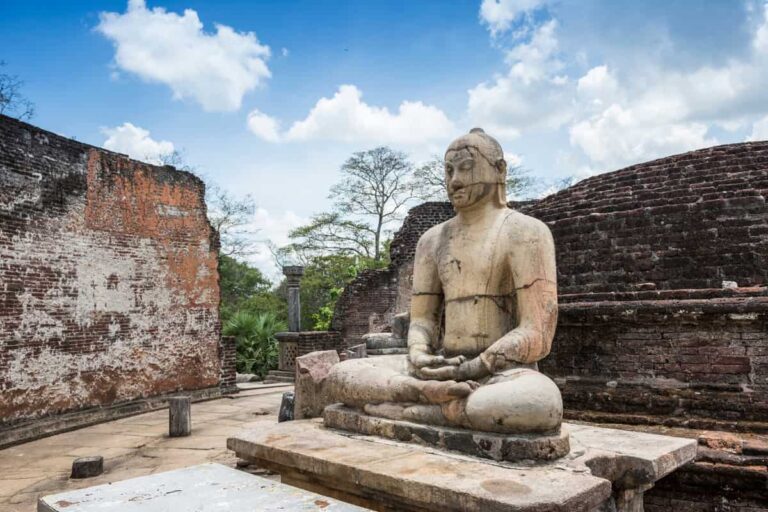

Polonnaruwa Ancient City (UNESCO World Heritage Site)
Overview
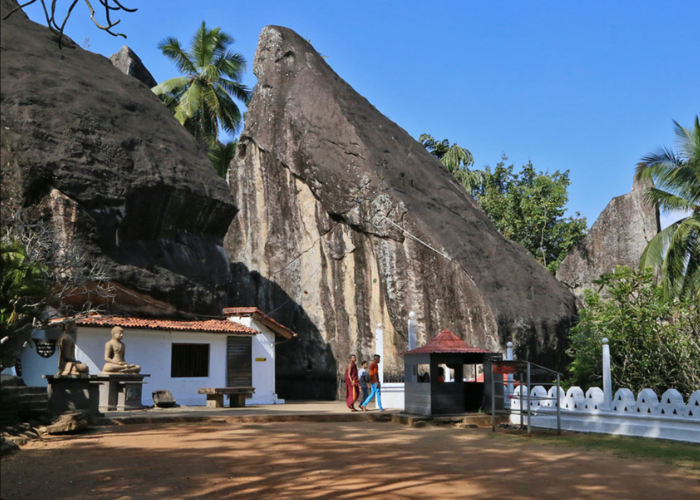
Polonnaruwa Ancient City is one of Sri Lanka’s most important historical sites and a proud UNESCO World Heritage Site, representing the country’s rich cultural, religious, and architectural heritage. Polonnaruwa served as the second capital of Sri Lanka from the 11th to the 13th century, following the decline of Anuradhapura. During this period, the city flourished under powerful kings such as King Parakramabahu I, who transformed Polonnaruwa into a well-planned urban center with advanced irrigation systems, magnificent temples, royal palaces, and Buddhist monuments.
The ancient city is renowned for its impressive stone architecture and artistic achievements. Iconic landmarks such as the Royal Palace complex, the Quadrangle (Dalada Maluwa), and the world-famous Gal Vihara rock sculptures showcase the high level of craftsmanship achieved during the Polonnaruwa era. Massive reservoirs like Parakrama Samudra demonstrate the advanced hydraulic engineering skills of ancient Sri Lankans, reflecting the importance of water management in sustaining agriculture and city life. These monuments provide valuable insight into the political, religious, and daily life of the medieval Sinhalese civilization.
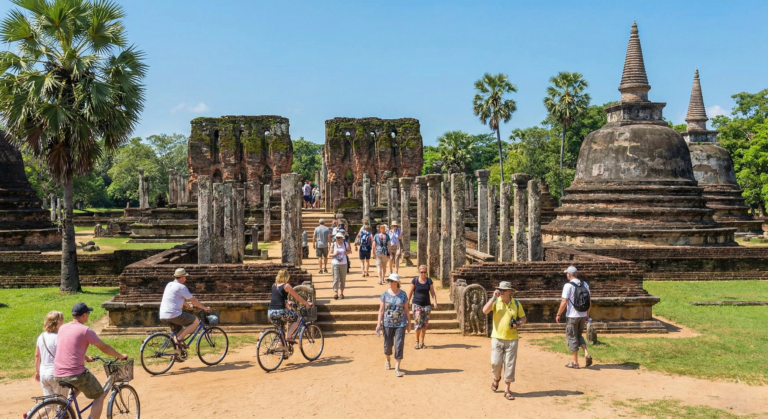
Located in the North Central Province of Sri Lanka, Polonnaruwa lies close to the banks of the Mahaweli River and is surrounded by dry-zone forests and ancient tanks. The city is well connected by road and is easily accessible from major cities such as Colombo, Anuradhapura, and Dambulla. Today, the spacious layout of the archaeological site allows visitors to explore the ruins comfortably by bicycle or on foot, while enjoying the peaceful natural environment. Polonnaruwa Ancient City stands as a timeless reminder of Sri Lanka’s glorious past and remains a must-visit destination for history lovers, students, and cultural travelers from around the world.
What can we do?
Polonnaruwa Ancient City offers a rich mix of history, culture, and outdoor exploration. Spread across a large, scenic area, the site lets visitors experience Sri Lanka’s medieval capital at a relaxed pace while learning about its royal, religious, and engineering achievements.
Explore ancient ruins
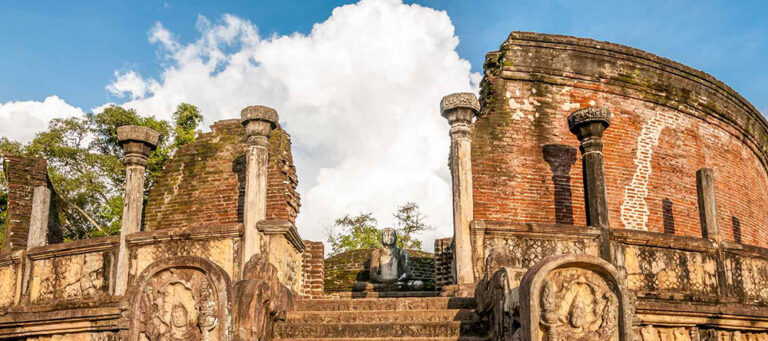
Visit the Royal Palace, Audience Hall, and council chambers
See sacred Buddhist sites
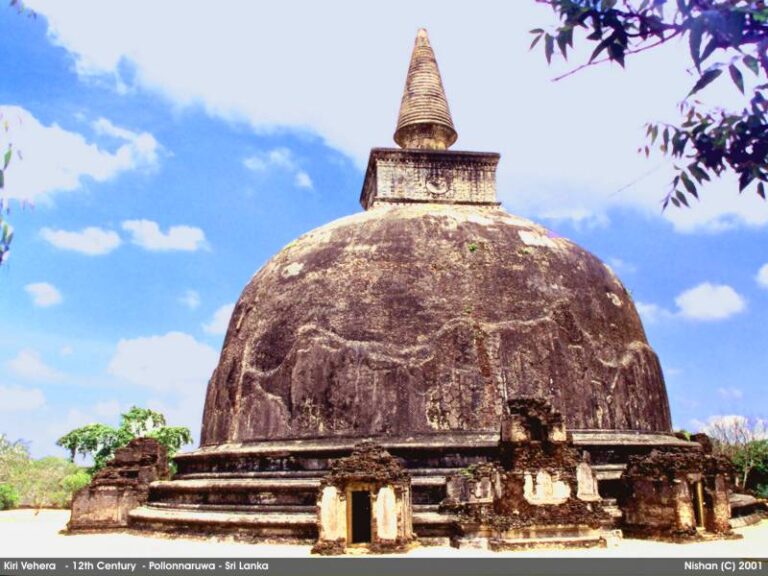
Discover the Quadrangle (Dalada Maluwa) and ancient stupas
Admire Gal Vihara statues
View the famous standing, seated, and reclining Buddha rock carvings
Cycling around the ancient city
Rent a bicycle to comfortably cover the large archaeological area
Photography & sightseeing
Capture stone carvings, temples, reservoirs, and landscapes
Learn history with guides or information boards
Understand the Polonnaruwa Kingdom and irrigation systems
Visit Parakrama Samudra
Enjoy views of the massive ancient reservoir built by King Parakramabahu I
Educational visits & research
Ideal for students studying history, archaeology, and culture
Nature observation
Spot monkeys, birds, and dry-zone vegetation within the ruins
How long to spend for a visit?
Short visit: 2–3 hours
Suitable if you visit the main highlights such as the Royal Palace, Quadrangle, and Gal Vihara
Standard visit: 4–5 hours
Ideal for exploring most major ruins, cycling through the site, and learning history at a relaxed pace
Full-day visit: 6–8 hours
Best for history lovers, students, and photographers who want to see all key areas, Parakrama Samudra, and spend time at each monument