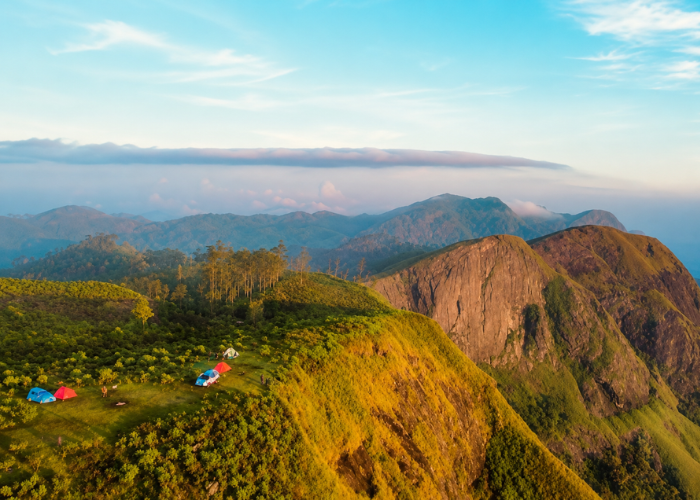
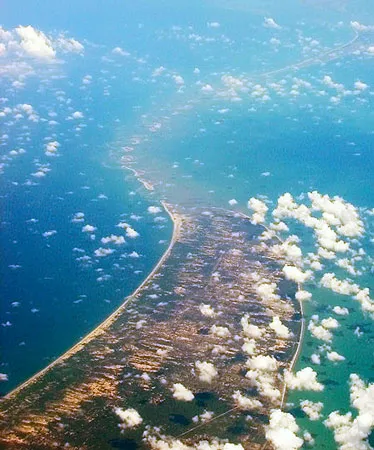
Vankalai Bird Sanctuary is one of the most important wetland areas in Mannar, Sri Lanka. Located along the northwestern coast, the sanctuary provides feeding and resting grounds for many resident and migratory birds. Its lagoons, mudflats, salt marshes, and shallow coastal waters create an excellent environment for birdlife. It is a peaceful destination for nature lovers, birdwatchers, photographers, and visitors who want to explore Mannar’s natural beauty.
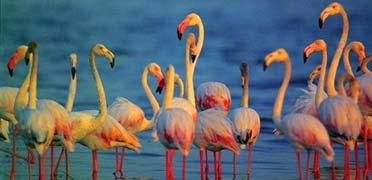
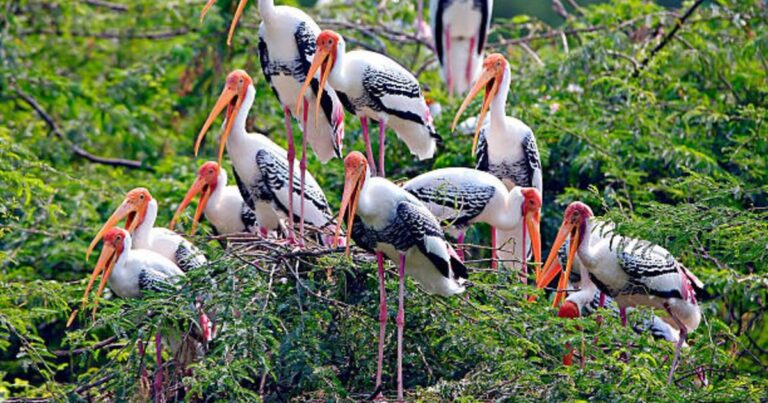
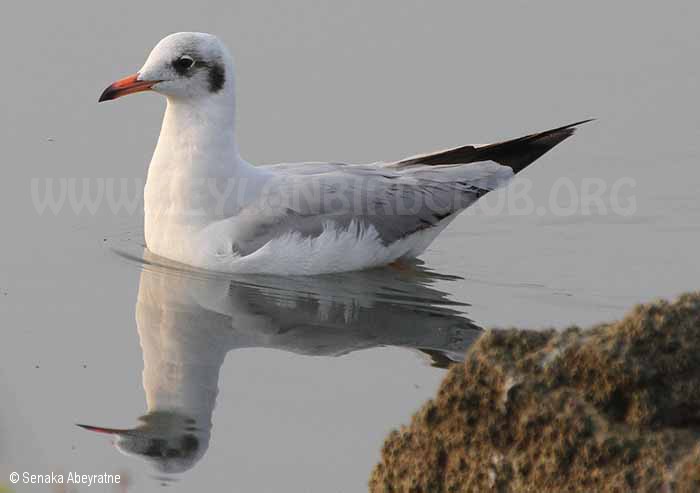
Vankalai is especially well known for its rich bird diversity and important coastal wetlands. During the migratory season, many birds travel from colder regions to Sri Lanka and use the wetlands around Vankalai as a resting and feeding area. Visitors may see flamingos, pelicans, herons, egrets, terns, sandpipers, and other waterbirds.
Location on Map
Things To See
What can we do ?
Vankalai Bird Sanctuary is a great place to enjoy nature in a quiet and less crowded setting. Visitors can spend time observing birds, photographing wildlife, and exploring the surrounding wetland landscape. Early morning and late afternoon are particularly enjoyable because birds are more active and the natural light is suitable for photography.
Watch resident and migratory birds
Take bird and nature photographs
Enjoy birdwatching and wildlife observation
Explore the wetland and coastal environment
Look for seasonal migratory birds
Enjoy peaceful views of the surrounding landscape
Take a quiet nature walk where appropriate
Learn about the importance of wetland conservation
Which time best for visit ?
The best time to visit Vankalai Bird Sanctuary is generally during Sri Lanka's migratory bird season, when many birds arrive from other parts of the world. October to March is particularly suitable for birdwatching because migratory species can be seen in larger numbers. For the best experience, visit in the early morning or late afternoon, when birds are more active and temperatures are usually more comfortable.
Early Morning (Sunrise / Golden Hour)
Cool weather, soft light, fewer crowds
Late Afternoon (Sunset / Golden Hour)
Warm tones, scenic skies, ideal for photos
Midday
Not recommended due to heat and harsh sunlight
Night
Suitable only for city lights and special photography
Early Morning (Sunrise / Golden Hour)
Cool weather, soft light, fewer crowds
Late Afternoon (Sunset / Golden Hour)
Warm tones, scenic skies, ideal for photos
Midday
Not recommended due to heat and harsh sunlight
Night
Suitable only for city lights and special photography
How can we arrive?
Vankalai Bird Sanctuary can be reached from Mannar town by road. The sanctuary area is located along the coastal wetland region, so private transport is often the most convenient option for visitors who want to explore the area at their own pace. Public transport can also be used to reach nearby areas, followed by a short local journey.
By Bus
Buses are available from Mannar to nearby towns and villages around the Vankalai area.
From the nearest suitable bus stop, visitors may need to continue by a local tuk-tuk or other transport depending on the exact birdwatching location.
By Train
Visitors travelling by train can take the railway service to Mannar Railway Station.
From the station, Vankalai can be reached by bus, tuk-tuk, taxi, or private vehicle.
ByPrivete Vehicle
Travelling by private car, van, or tuk-tuk is one of the easiest options.
It allows visitors to stop at suitable viewpoints and spend more time exploring the wetlands.
Start planning your
Sri Lanka trip
for free
Build your itinerary, save places, optimize routes, and explore Sri Lanka with KKF Trip Basket.