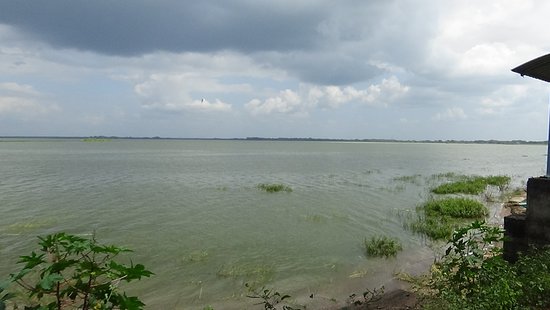
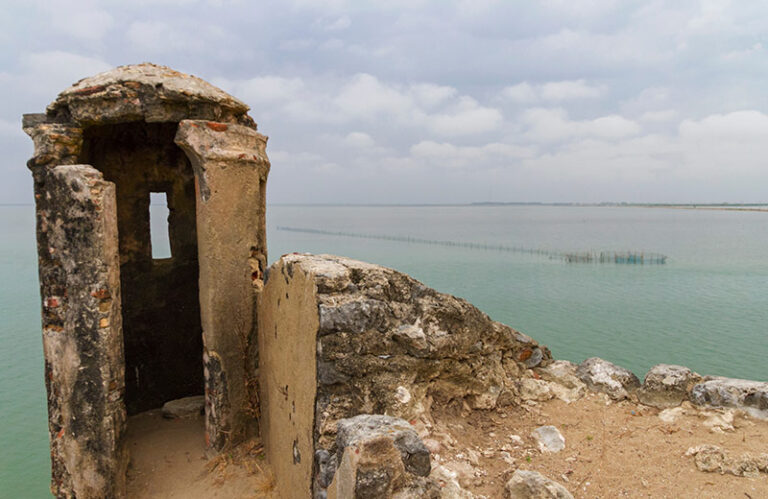
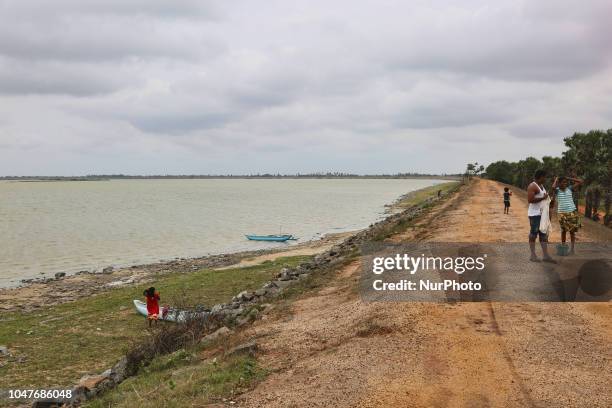
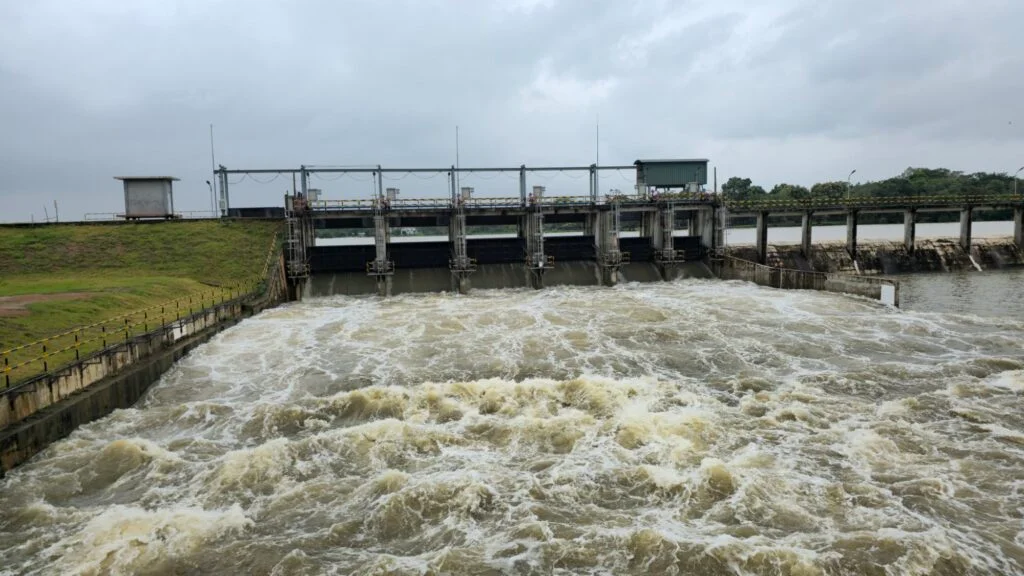
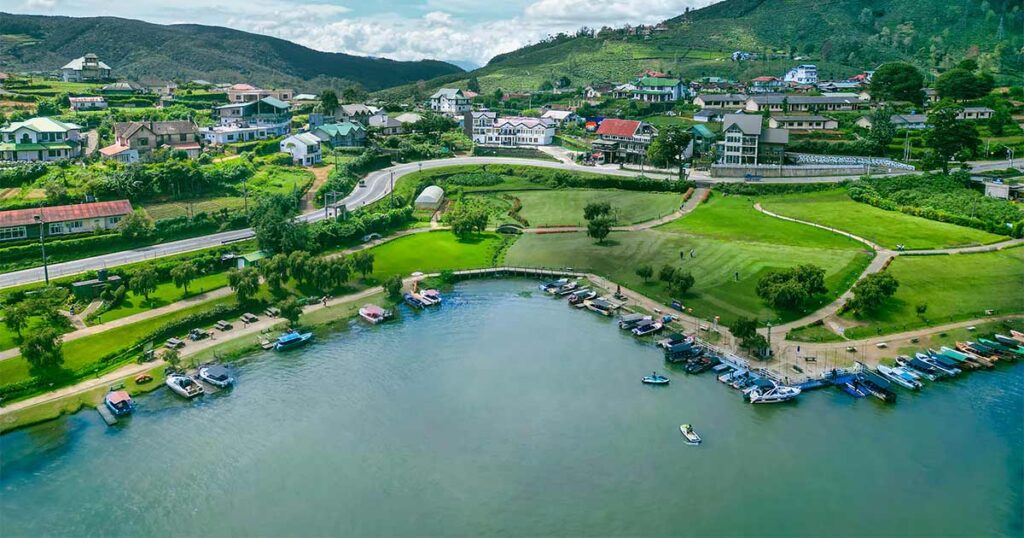
Giant’s Tank, also known as Yoda Wewa, is one of the most important ancient irrigation reservoirs in the Mannar District of Sri Lanka. The large tank has supported agriculture and local communities for centuries by storing water for surrounding paddy fields. Today, it is also a peaceful destination for visitors who enjoy nature, birdwatching, photography, and exploring the rural landscape of northern Sri Lanka.
Giant’s Tank is located in the Murunkan area of Mannar and is connected with the ancient irrigation heritage of Sri Lanka. The reservoir is especially important for agriculture because its water supports extensive paddy cultivation in the surrounding region. During the dry season, the tank and its wetlands can also attract many birds, making the area interesting for nature lovers and photographers.
Location on Map
Things To See
What can we do ?
A visit to Giant’s Tank is ideal for travellers who enjoy nature, photography, birdwatching, and quiet outdoor experiences. The surrounding landscape offers beautiful views, particularly during the early morning and late afternoon.
Birdwatching – Observe different waterbirds and other bird species around the reservoir.
Nature Photography – Capture the tank, wetlands, birds, paddy fields, and surrounding scenery.
Enjoy Sunrise and Sunset – Experience beautiful colours across the open landscape.
Explore the Rural Landscape – See paddy fields and traditional agricultural surroundings.
Enjoy Nature – Spend some peaceful time away from busy town areas.
Explore Nearby Mannar Attractions – Combine the visit with other attractions around Mannar.
Which time best for visit ?
The early morning and late afternoon are the best times to visit Giant’s Tank. These periods provide pleasant temperatures, softer sunlight, and better opportunities for photography and birdwatching. The dry season can also be a good time for observing birds around the reservoir, while the surrounding landscape can look especially attractive when the area is greener after rainfall.
Early Morning (Sunrise / Golden Hour)
Cool weather, soft light, fewer crowds
Late Afternoon (Sunset / Golden Hour)
Warm tones, scenic skies, ideal for photos
Midday
Not recommended due to heat and harsh sunlight
Night
Suitable only for city lights and special photography
Early Morning (Sunrise / Golden Hour)
Cool weather, soft light, fewer crowds
Late Afternoon (Sunset / Golden Hour)
Warm tones, scenic skies, ideal for photos
Midday
Not recommended due to heat and harsh sunlight
Night
Suitable only for city lights and special photography
How can we arrive?
Giant’s Tank is located around the Murunkan area of Mannar. Visitors can travel from Mannar town towards Murunkan using the main road network. Private vehicles are convenient because they provide greater flexibility when exploring the tank and nearby attractions.
By Bus
Regular buses operate between Mannar and nearby towns such as Murunkan.
Visitors can take a bus towards Murunkan and then use a local tuk-tuk or another suitable vehicle to reach the tank area.
By Train
Travellers can take a train to Murunkan Railway Station on the Northern railway line.
From the station, a tuk-tuk or taxi can be used to continue towards Giant’s Tank.
ByPrivete Vehicle
Travelling by car, van, or tuk-tuk is one of the easiest options for visiting Giant’s Tank.
Private transport allows visitors to stop at viewpoints and explore the surrounding countryside at their own pace.
Start planning your
Sri Lanka trip
for free
Build your itinerary, save places, optimize routes, and explore Sri Lanka with KKF Trip Basket.