
Kala Wewa
Anuradhapura
Lake
Nature Attraction
Overview
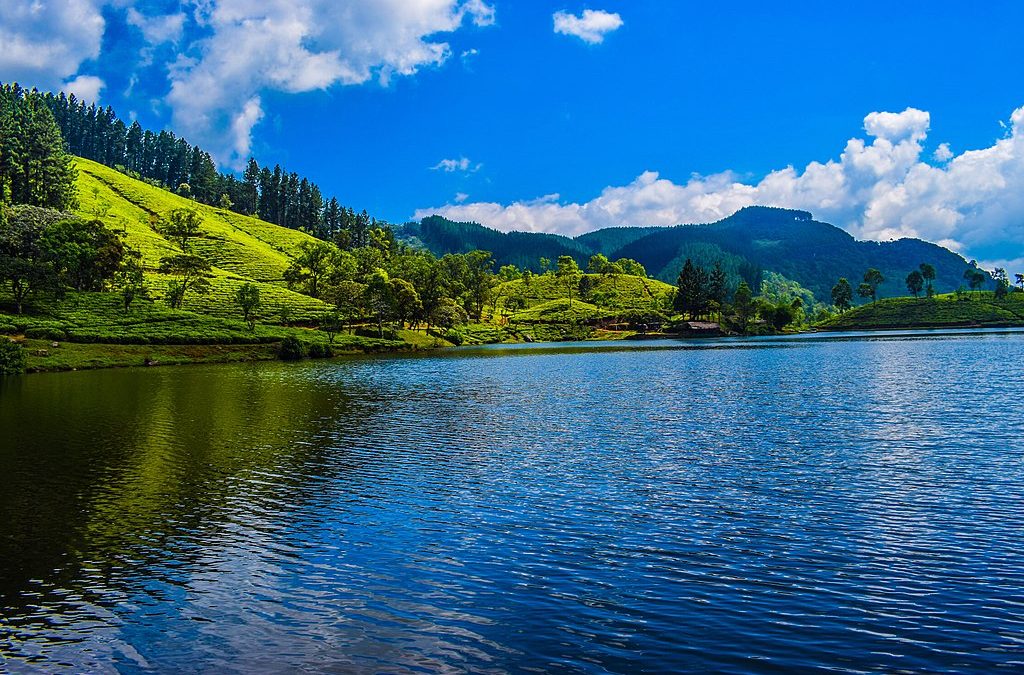
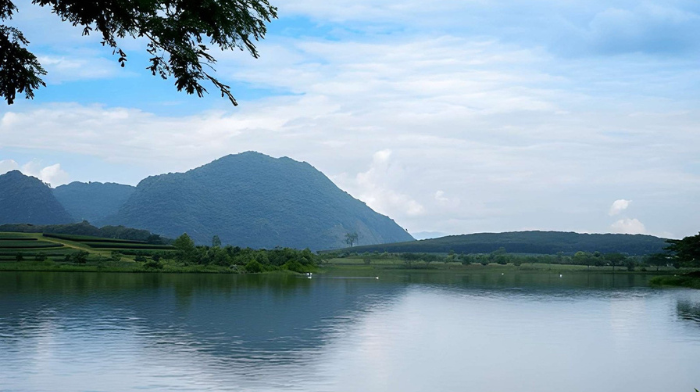
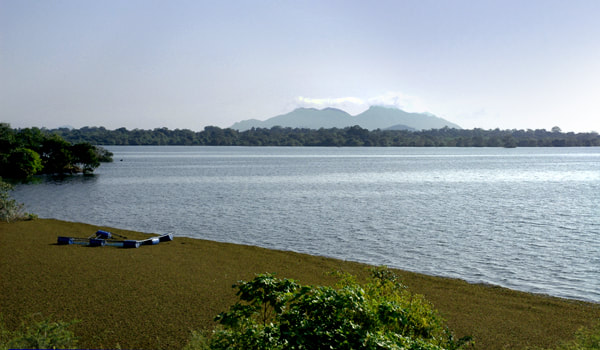
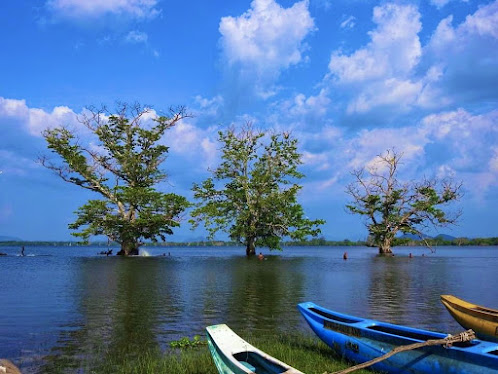
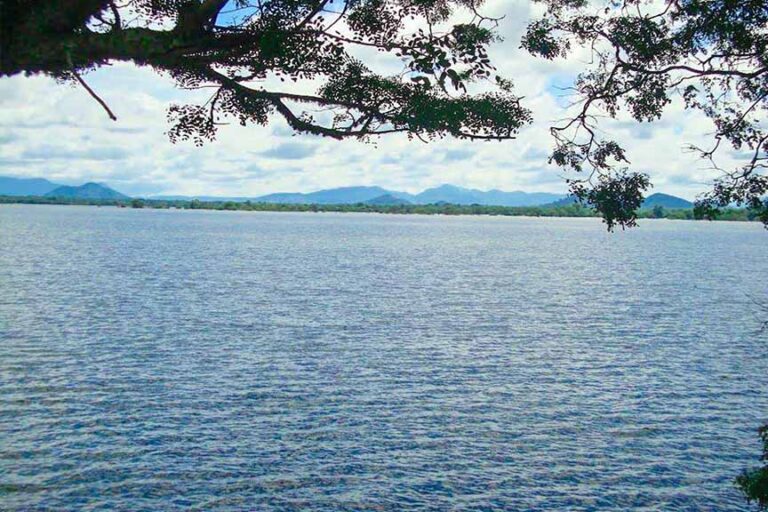
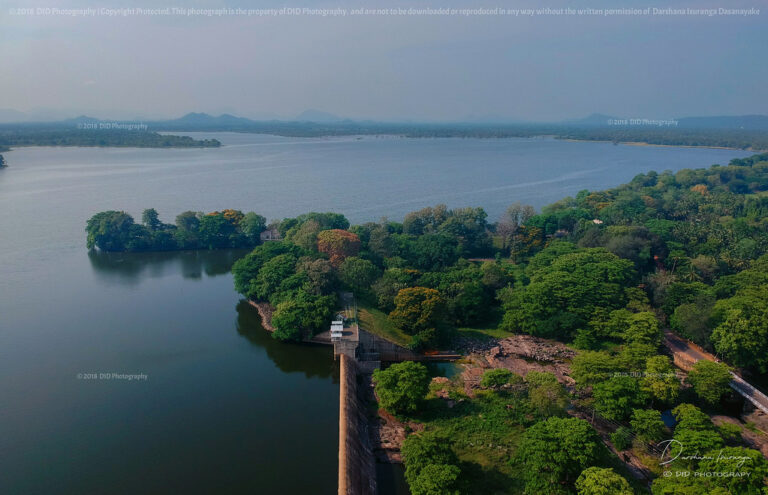
Kala Wewa is one of the most impressive ancient irrigation reservoirs in Sri Lanka, located in the Anuradhapura District. Built during the reign of King Datusena in the 5th century, this massive tank was created to support agriculture and provide water to surrounding communities. Today, Kala Wewa is a peaceful destination where visitors can enjoy beautiful scenery, ancient engineering, and the natural surroundings of the North Central Province.
Kala Wewa is an important part of Sri Lanka’s ancient hydraulic civilization. The reservoir was constructed to collect and distribute water across dry-zone farming areas. It is also connected with the historic Yoda Ela, an ancient canal system designed to carry water over a long distance. The calm waters, surrounding greenery, and impressive scale of the reservoir make Kala Wewa an interesting place for travellers who enjoy history, nature, photography, and peaceful landscapes.
Location on Map
Things To See


What can we do ?
Visitors can enjoy the peaceful environment around Kala Wewa while learning about Sri Lanka’s remarkable ancient irrigation technology. The area is especially attractive for travellers looking for scenic views and photography opportunities.
- Enjoy the beautiful views of the reservoir
- Take landscape and nature photographs
- Watch the sunrise or sunset
- Explore the surrounding rural environment
- Learn about ancient Sri Lankan irrigation systems
- Enjoy a peaceful walk around suitable areas
- Observe birds and other wildlife around the reservoir
- Visit nearby historical attractions in the Anuradhapura region
- Experience the traditional agricultural landscape
Which time best for visit ?
The best time to visit Kala Wewa is generally during the early morning or late afternoon, when the weather is cooler and the scenery is more attractive. These hours are also ideal for photography, especially around sunrise and sunset. The dry season can provide comfortable conditions for exploring the surrounding area, while visitors should check local weather conditions before travelling.
Early Morning (Sunrise / Golden Hour)
Cool weather, soft light, fewer crowds
Late Afternoon (Sunset / Golden Hour)
Warm tones, scenic skies, ideal for photos
Midday
Not recommended due to heat and harsh sunlight
Night
Suitable only for city lights and special photography
Early Morning (Sunrise / Golden Hour)
Cool weather, soft light, fewer crowds
Late Afternoon (Sunset / Golden Hour)
Warm tones, scenic skies, ideal for photos
Midday
Not recommended due to heat and harsh sunlight
Night
Suitable only for city lights and special photography
How can we arrive?
Kala Wewa can be reached from Anuradhapura and other major towns in the North Central Province. Visitors can travel by public bus, train combined with a local vehicle, or private vehicle. Since some parts of the reservoir are away from major transport routes, private vehicles or local tuk-tuks are convenient for reaching specific viewpoints.
By Bus
Buses are available from Anuradhapura and nearby towns towards areas around Kala Wewa.
From the nearest suitable bus stop, visitors can continue by tuk-tuk or another local vehicle.
By Train
Visitors travelling by train can reach a nearby railway station such as Anuradhapura and continue the journey by bus, taxi, or private vehicle.
ByPrivete Vehicle
Travelling by car, van, or tuk-tuk is one of the most convenient options.
Private transport allows visitors to explore different parts of the reservoir and nearby attractions at their own pace.
Start planning your
Sri Lanka trip
for free
Build your itinerary, save places, optimize routes, and explore Sri Lanka with KKF Trip Basket.
Frequently Asked Questions
Who built Kala Wewa?
Kala Wewa was constructed during the reign of King Datusena in the 5th century.
Why is Kala Wewa important?
It is an important example of Sri Lanka’s ancient irrigation engineering and played a major role in supporting agriculture in the dry zone.
Can we take photographs at Kala Wewa?
Yes. The reservoir and surrounding landscape provide excellent opportunities for nature, landscape, sunrise, and sunset photography.