
Nagapoosani Amman

Kovil

Religious Site
Historical Place
Cultural Attraction
View Basket

Overview

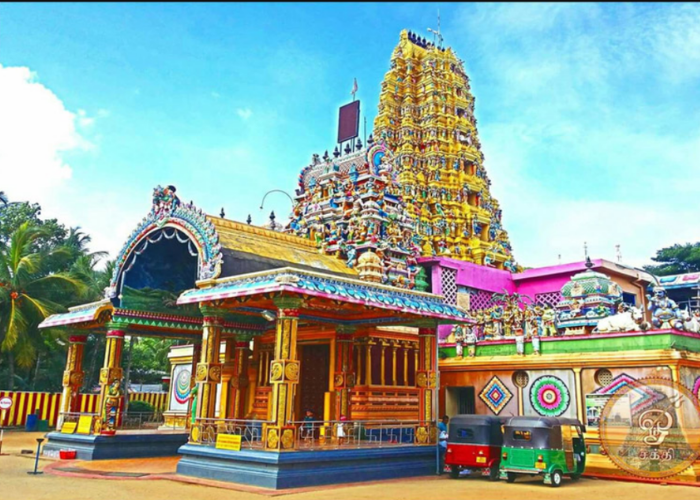
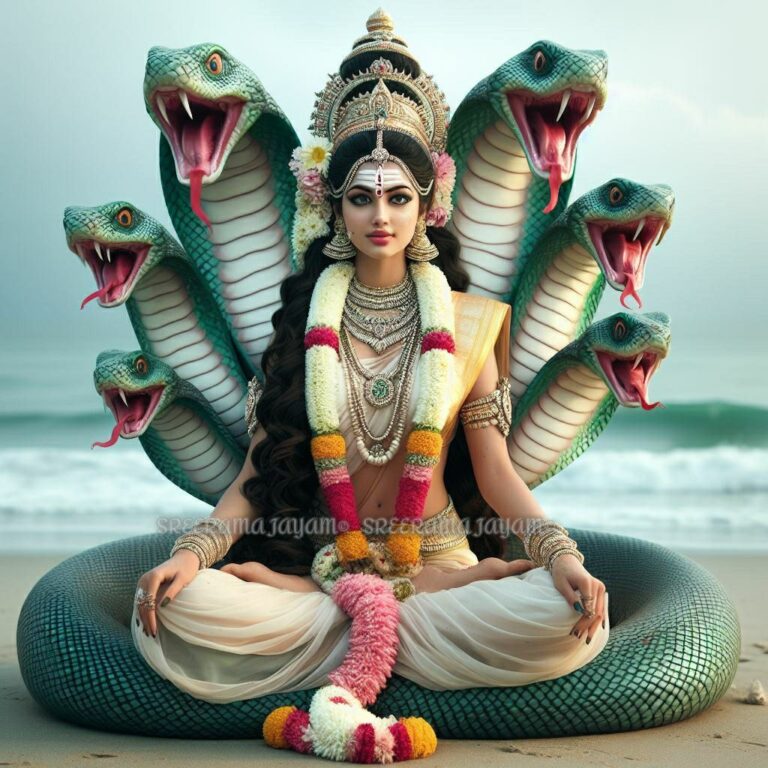
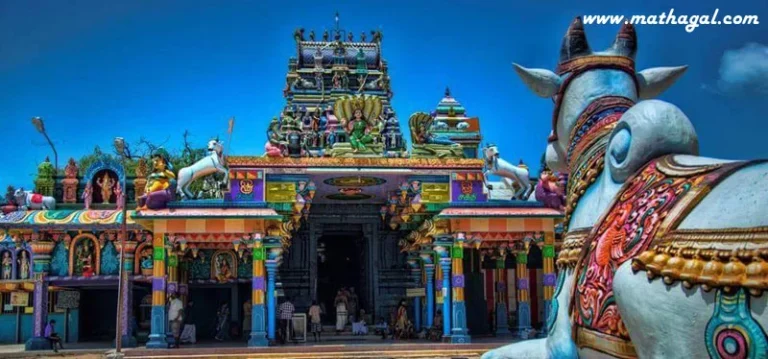
Nagapoosani Amman Kovil is one of the most famous Hindu temples in Sri Lanka, located on Nainativu Island in the Jaffna District. Dedicated to Goddess Nagapoosani Amman, an incarnation of Goddess Parvati, this ancient temple is an important religious and cultural landmark. The temple is well known for its beautiful Dravidian architecture, colourful gopurams, spiritual atmosphere, and annual festivals that attract thousands of devotees and visitors.

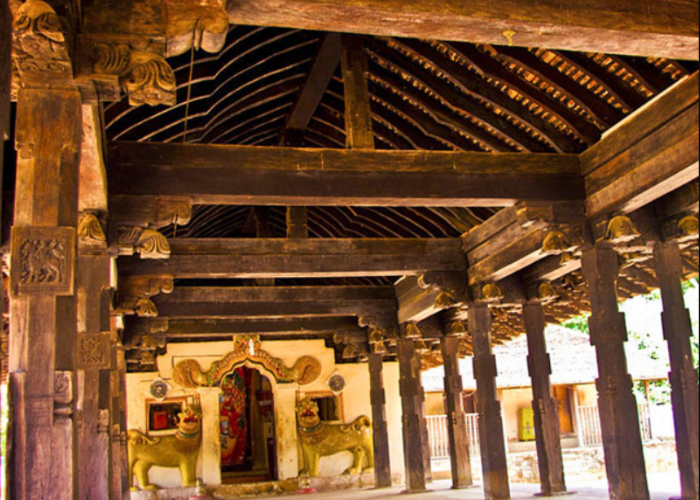
Nagapoosani Amman Kovil has a long historical background and is considered one of the significant Shakti worship sites. The present temple structure was rebuilt between 1720 and 1790 after the earlier temple was destroyed during the Portuguese period. 

Location on Map

Things To See

What can we do ?

Visitors to Nagapoosani Amman Kovil can experience a spiritual and cultural journey by exploring the beautiful temple surroundings, participating in religious activities, and admiring the traditional architecture. The peaceful island environment, colourful temple towers, and nearby coastal views make the visit a memorable experience for pilgrims and travellers.

  • Worship Goddess Nagapoosani Amman and receive blessings.
  • Participate in daily poojas and religious ceremonies.
  • Explore the colourful gopurams and temple architecture.
  • Observe traditional Hindu rituals and customs.
  • Take photographs of the beautiful temple exterior.
  • Experience the famous annual Mahostavam festival.
  • Enjoy the peaceful atmosphere of Nainativu Island.
  • Visit nearby Nagadeepa Purana Vihara.
  • Experience the scenic boat journey to the island.

Which time best for visit ?

The best time to visit Nagapoosani Amman Kovil is from June to July, during the annual festival season when the temple becomes vibrant with religious ceremonies and cultural events. For a peaceful visit, early morning or evening is recommended as the weather is cooler and the temple is less crowded.

Early Morning (Sunrise / Golden Hour)

Cool weather, soft light, fewer crowds

Late Afternoon (Sunset / Golden Hour)

Warm tones, scenic skies, ideal for photos

Midday

Not recommended due to heat and harsh sunlight

Night

Suitable only for city lights and special photography

Early Morning (Sunrise / Golden Hour)

Cool weather, soft light, fewer crowds

Late Afternoon (Sunset / Golden Hour)

Warm tones, scenic skies, ideal for photos

Midday

Not recommended due to heat and harsh sunlight

Night

Suitable only for city lights and special photography

How can we arrive?

Nagapoosani Amman Kovil is located on Nainativu Island in the Jaffna District and can be reached by travelling to Kurikadduwan Jetty first. Visitors can travel by bus, train, or private vehicle to the jetty and then take a short ferry ride across the sea to Nainativu Island. After arriving at the island, the temple is located within walking distance from the ferry landing area.

By Bus

Visitors can take a bus from Jaffna Bus Stand to Kurikadduwan Jetty through Kayts.

From the jetty, a passenger ferry service is available to Nainativu Island.


By Train

Travellers can take a train to Jaffna Railway Station from Colombo or other major cities.

From Jaffna Railway Station, take a bus or taxi to Kurikadduwan Jetty. Then travel by ferry to Nainativu Island and walk to Nagapoosani Amman Kovil.

ByPrivete Vehicle

Visitors travelling by private vehicle can drive from Jaffna to Kurikadduwan Jetty via Kayts. Parking facilities are available near the jetty.

After parking the vehicle, take the ferry to Nainativu Island and continue a short walk to the temple.

Start planning your

Sri Lanka trip

for free

Build your itinerary, save places, optimize routes, and explore Sri Lanka with KKF Trip Basket.

Frequently Asked Questions

Is there an entrance fee?

No, entry to Nagapoosani Amman Kovil is free.

The temple is located on Nainativu Island in the Jaffna District.

Photography is generally allowed outside the temple, but visitors should follow restrictions in sacred areas.