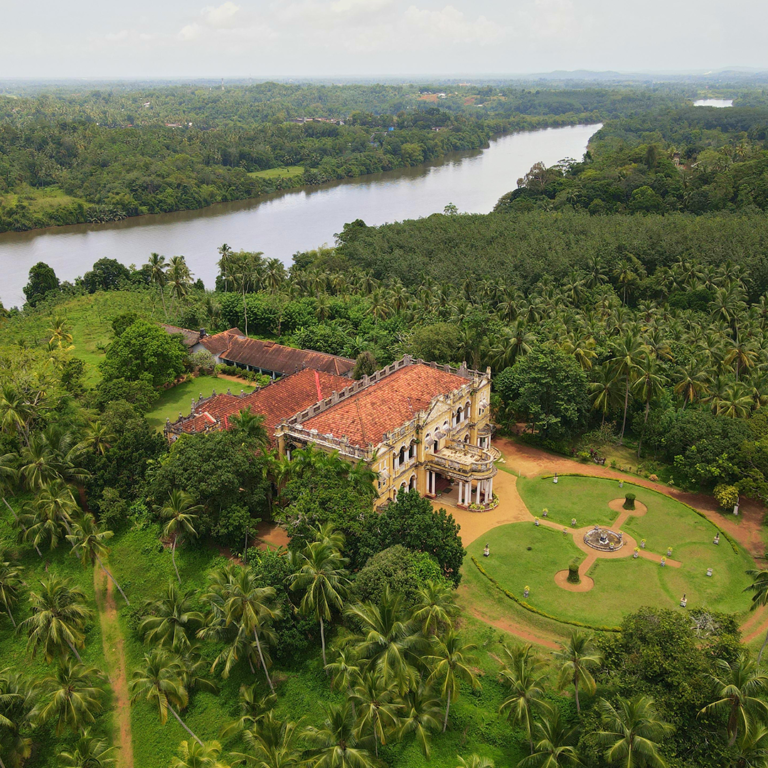
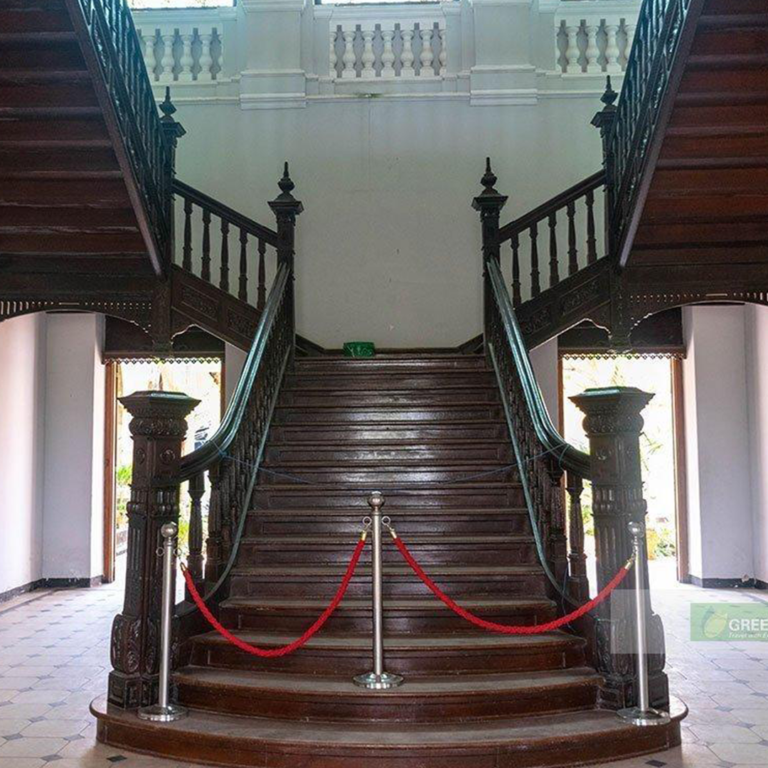
Richmond Castle is a historic Edwardian-style mansion located in Palatota, Kalutara, Sri Lanka. Built between 1900 and 1910 by Mudaliyar Don Arthur de Silva Wijesinghe Siriwardena, this magnificent palace-like residence is one of the most unique architectural landmarks in the Western Province. The castle combines Eastern and Western architectural elements and is famous for its grand design, beautiful woodwork, and historical value.
The mansion stands on a 42-acre estate near the Kalu Ganga River and features 16 rooms, 99 doors, and 34 windows. Many materials used in its construction were imported from different countries, including Burmese teak, Italian tiles, Scottish glass panels, and English fittings.
Today, Richmond Castle is managed by the Public Trustee of Sri Lanka and remains a popular tourist attraction for visitors interested in history, architecture, and photography.
Location on Map
Things To See
What can we do ?
Richmond Castle offers visitors a chance to explore Sri Lanka’s colonial-era architecture, learn about its fascinating history, and enjoy the peaceful surroundings of its gardens and riverside landscape.
Explore the grand architecture and historic interiors of the mansion
Admire the beautiful wood carvings, antique designs, and unique features of the castle
Learn about the history and lifestyle of Mudaliyar Don Arthur de Silva Wijesinghe Siriwardena
Capture photographs of the castle’s elegant structure and surroundings
Walk through the garden area and enjoy the calm environment near the Kalu Ganga River
Discover the blend of Eastern and Western architectural styles
Visit with family and enjoy a peaceful cultural experience
Which time best for visit ?
The best time to visit Richmond Castle, Kalutara is during the morning or late afternoon when the weather is cooler and the surroundings are more comfortable for exploring and photography.
Early Morning (Sunrise / Golden Hour)
Ideal time to explore the mansion peacefully with fewer crowds and comfortable temperatures.
Late Afternoon (Sunset / Golden Hour)
Great for photography as the soft sunlight enhances the beauty of the historic building and gardens.Warm tones, scenic skies, ideal for photos
Midday
Less recommended because the outdoor areas can become hot, making walking around less comfortable.
Night
Not recommended as the castle is generally visited during daytime hours and interior access is limited.
Early Morning (Sunrise / Golden Hour)
Cool weather, soft light, fewer crowds
Late Afternoon (Sunset / Golden Hour)
Warm tones, scenic skies, ideal for photos
Midday
Not recommended due to heat and harsh sunlight
Night
Suitable only for city lights and special photography
How can we arrive?
Richmond Castle can be easily reached from Kalutara town using several transportation options. Visitors can choose the most convenient way depending on their travel plans.
By Bus
Take a bus to Kalutara from Colombo or nearby towns, then use a local bus or tuk-tuk from Kalutara town to reach the castle.
By Train
Take a coastal train to Kalutara South or Kalutara North Railway Station, then continue the remaining distance by tuk-tuk or taxi.
ByPrivete Vehicle
Travel along the Colombo–Galle Road to Kalutara town and follow the route towards Palatota to reach Richmond Castle. This is the most convenient option for families and groups.
Start planning your
Sri Lanka trip
for free
Build your itinerary, save places, optimize routes, and explore Sri Lanka with KKF Trip Basket.