
Ritigala Monastery

Anuradhapura

Historical Place
Archalogical site
View Basket

Overview

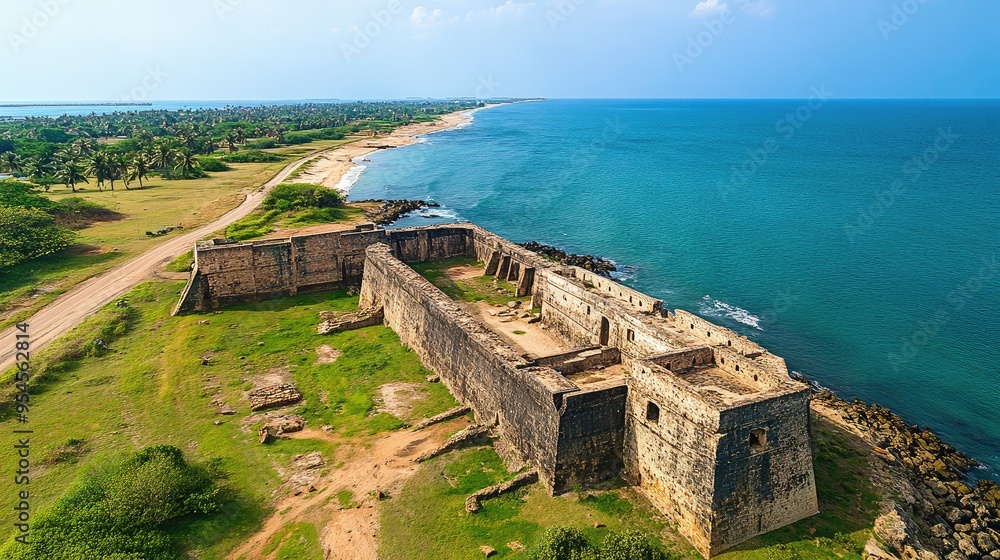
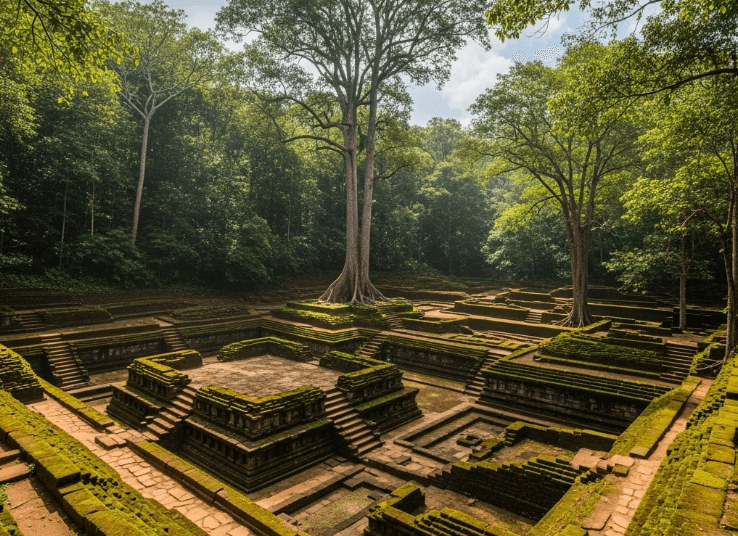
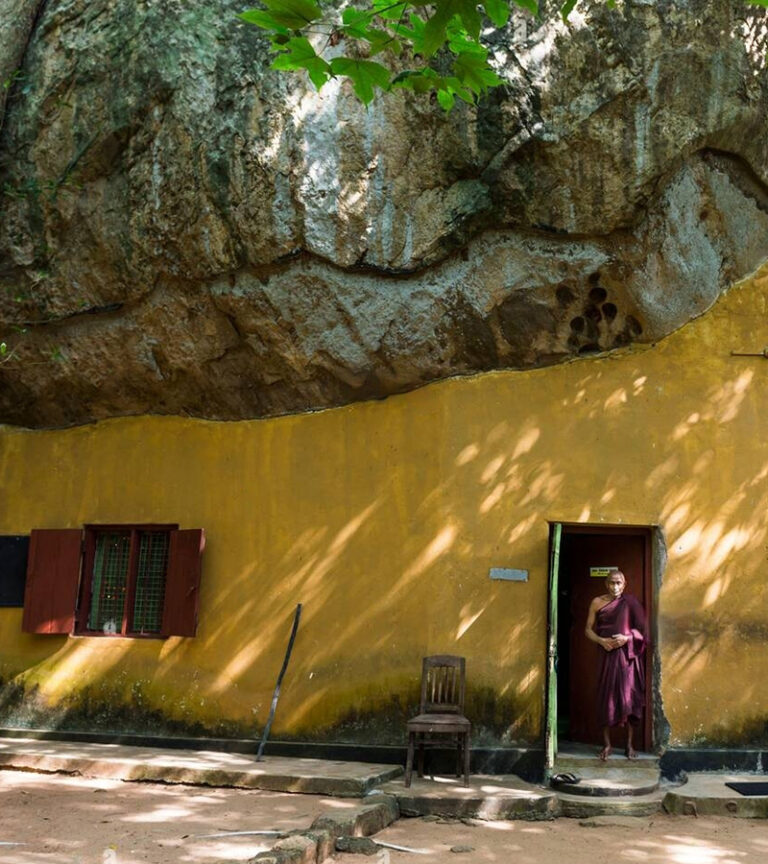
Ritigala Monastery is an ancient Buddhist monastery located in the peaceful Ritigala mountain range in Anuradhapura District, Sri Lanka. Surrounded by dense forest and natural beauty, the site offers a unique combination of history, spirituality, and adventure. The monastery is known for its ancient stone structures, meditation paths, ponds, and peaceful forest environment.

Unlike many ancient sites in Anuradhapura, Ritigala is hidden among the mountains and forests. This makes it an excellent destination for travellers who enjoy exploring archaeological sites away from busy tourist areas.

Location on Map

Things To See

What can we do ?

A visit to Ritigala Monastery allows travellers to explore ancient ruins while enjoying the natural beauty of the Ritigala mountains. The walking trail takes visitors through the forest and past several interesting archaeological remains. It is a good destination for travellers looking for a peaceful and less crowded historical experience.

  • Explore the ancient monastery ruins
  • Walk along the historic stone pathways
  • Visit the ancient ponds and bathing areas
  • Observe meditation platforms and monastic structures
  • Enjoy the surrounding forest and mountain views
  • Take nature and landscape photographs
  • Learn about ancient Buddhist monastic life
  • Enjoy a peaceful walk through the forest
  • Discover the archaeological features of the site
  • Spend time away from busy city attractions

Which time best for visit ?

The best time to visit Ritigala Monastery is during the dry season, especially from June to September and January to March. Morning hours are ideal because the weather is usually cooler and more comfortable for walking. Early morning also provides a peaceful atmosphere for exploring the forest and photographing the ancient ruins. Visitors should carry drinking water and wear comfortable walking shoes.

Early Morning (Sunrise / Golden Hour)

Cool weather, soft light, fewer crowds

Late Afternoon (Sunset / Golden Hour)

Warm tones, scenic skies, ideal for photos

Midday

Not recommended due to heat and harsh sunlight

Night

Suitable only for city lights and special photography

Early Morning (Sunrise / Golden Hour)

Cool weather, soft light, fewer crowds

Late Afternoon (Sunset / Golden Hour)

Warm tones, scenic skies, ideal for photos

Midday

Not recommended due to heat and harsh sunlight

Night

Suitable only for city lights and special photography

How can we arrive?

Ritigala Monastery is located in the Ritigala mountain area, about 20–25 kilometres from the ancient city of Anuradhapura. Travellers can reach the area by bus, train, or private vehicle. Public transport usually requires a further tuk-tuk or taxi journey from the nearest convenient town or bus route.

By Bus

Buses are available from Anuradhapura towards nearby towns such as Habarana and Kekirawa.

From a suitable drop-off point, travellers can continue to Ritigala by tuk-tuk or taxi.

By Train

The nearest convenient railway connections are through Anuradhapura and Habarana.

From the railway station, visitors can continue the journey by taxi, tuk-tuk, or other private transport. 

ByPrivete Vehicle

 From Anuradhapura, follow the road towards Ritigala and continue towards the archaeological site.

A private vehicle provides more flexibility and allows visitors to explore nearby attractions at their own pace.

Start planning your

Sri Lanka trip

for free

Build your itinerary, save places, optimize routes, and explore Sri Lanka with KKF Trip Basket.

Frequently Asked Questions

How far is Ritigala from Anuradhapura?

Ritigala Monastery is approximately 20–25 kilometres from Anuradhapura, depending on the route taken.

Ritigala is famous for its ancient Buddhist monastery ruins, forest environment, meditation structures, stone pathways, and peaceful mountain setting.

Yes. The monastery is surrounded by dense forest and mountains, making it a wonderful destination for visitors who enjoy nature and peaceful environments.