
Shivadevalaya 1
Polonnaruwa
Religious Site
Historical Place
Overview
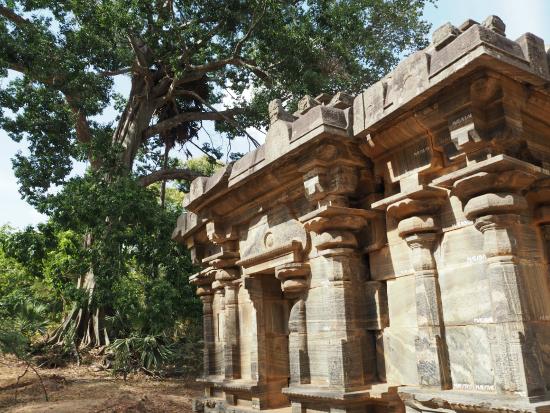
Siva Devalaya No. 1 is an ancient Hindu temple located within the historic city of Polonnaruwa. It is one of the best-preserved Hindu monuments from the Polonnaruwa period and reflects the strong South Indian architectural influence that existed in Sri Lanka during the medieval era. The temple is mainly dedicated to Lord Shiva and is built with carefully arranged stone blocks.
The site is an important part of the ancient Polonnaruwa heritage area. Its well-preserved structure, stone carvings, and religious significance make it an interesting place for visitors who enjoy history, archaeology, architecture, and cultural tourism.
Location on Map
Things To See


What can we do ?
A visit to Siva Devalaya is a great opportunity to explore ancient Hindu architecture and learn about the multicultural history of Polonnaruwa. The peaceful surroundings also make it suitable for photography and heritage exploration.
- Explore the ancient stone temple structure.
- Observe traditional Hindu architectural features.
- Learn about the Chola influence in Sri Lankan history.
- Take photographs of the ancient stonework.
- Study the temple's archaeological remains.
- Visit other historical monuments in the Polonnaruwa Ancient City.
- Enjoy a quiet walk around the heritage area.
- Learn about the religious diversity of ancient Polonnaruwa.
Which time best for visit ?
The best time to visit Siva Devalaya is generally during the morning or late afternoon, when the weather is cooler and more comfortable for walking around the archaeological site. The dry season, particularly from May to September, can be convenient for exploring Polonnaruwa, although visitors should still check the weather before travelling. Early morning is especially suitable for photography because of the softer natural light and lower temperatures.
Early Morning (Sunrise / Golden Hour)
Cool weather, soft light, fewer crowds
Late Afternoon (Sunset / Golden Hour)
Warm tones, scenic skies, ideal for photos
Midday
Not recommended due to heat and harsh sunlight
Night
Suitable only for city lights and special photography
Early Morning (Sunrise / Golden Hour)
Cool weather, soft light, fewer crowds
Late Afternoon (Sunset / Golden Hour)
Warm tones, scenic skies, ideal for photos
Midday
Not recommended due to heat and harsh sunlight
Night
Suitable only for city lights and special photography
How can we arrive?
Siva Devalaya No. 1 is located within the Polonnaruwa Ancient City. Visitors can reach Polonnaruwa from major towns in Sri Lanka and then travel to the archaeological site by local transport, taxi, tuk-tuk, or private vehicle. The temple is close to several other important attractions, making it convenient to include in a Polonnaruwa sightseeing tour.
By Bus
Regular buses operate to Polonnaruwa from cities such as Colombo, Kandy, Dambulla, and other major towns.
After reaching Polonnaruwa town, visitors can take a tuk-tuk, taxi, or local transport to the Ancient City and continue to Siva Devalaya.
By Train
Polonnaruwa Railway Station is connected with several parts of Sri Lanka through the railway network.
From the railway station, visitors can take a tuk-tuk, taxi, or other local transport to the Polonnaruwa archaeological area.
ByPrivete Vehicle
Travelling by private vehicle is one of the easiest ways to explore Siva Devalaya and the surrounding ancient monuments.
From Polonnaruwa town, follow the roads towards the Ancient City archaeological area.
Start planning your
Sri Lanka trip
for free
Build your itinerary, save places, optimize routes, and explore Sri Lanka with KKF Trip Basket.
Frequently Asked Questions
Who built Siva Devalaya No. 1?
The temple is generally associated with the Chola period and reflects strong South Indian architectural influence.
Which god is Siva Devalaya dedicated to?
The temple is dedicated to Lord Shiva, an important deity in Hinduism.
Is Siva Devalaya a Buddhist temple?
No. Siva Devalaya is a Hindu temple and represents the Hindu religious and cultural influence that existed in ancient Polonnaruwa.