
Magul Maha Vihara

Ampara

Religious Site
Historical Place
Cultural Attraction
View Basket

Overview

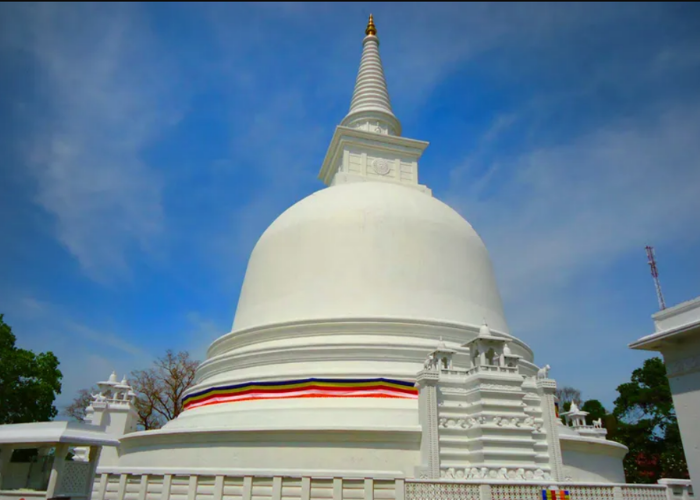
Magul Maha Viharaya is an ancient Buddhist temple located in Lahugala, Ampara District, in Sri Lanka’s Eastern Province. The temple is situated near Lahugala National Park and is surrounded by peaceful natural scenery and archaeological ruins. It is an important historical and religious site, especially for visitors interested in Sri Lankan heritage, ancient architecture, and Buddhist history.

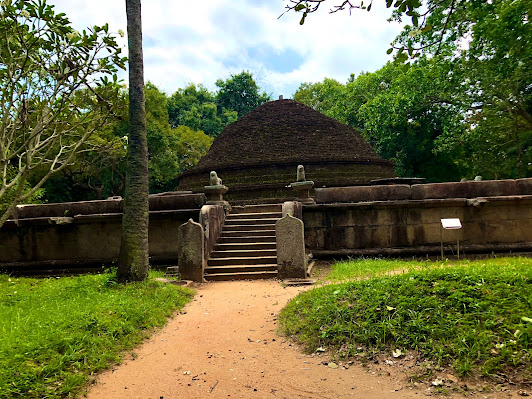
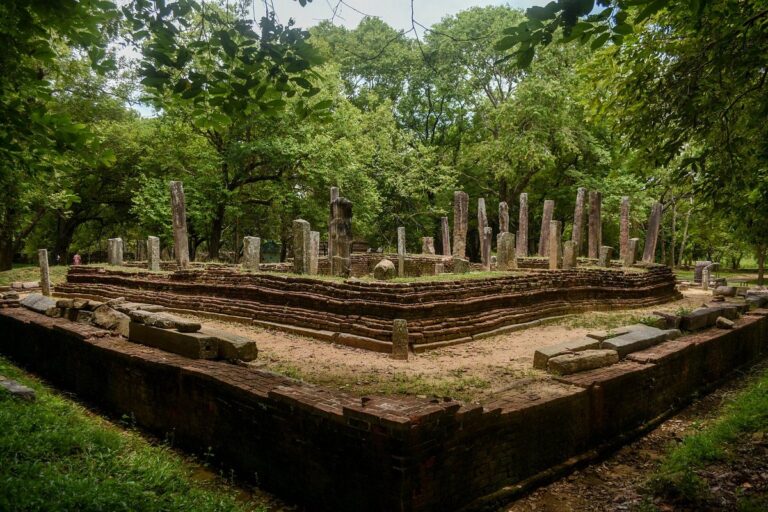
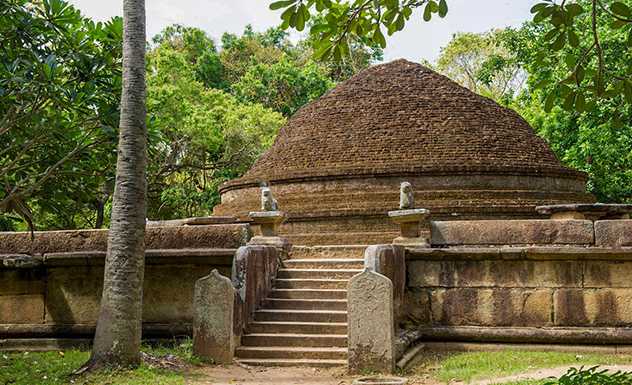
Magul Maha Viharaya is believed to have a history dating back to ancient Sri Lanka, with traditions connecting the site to King Kavantissa and Princess Viharamahadevi. The name “Magul” is associated with a wedding or auspicious ceremony, and local tradition identifies this location with their royal marriage. The site contains the remains of ancient religious and architectural structures, including a stupa, image house, Bodhi tree shrine, stone walls, and other archaeological features.

Location on Map

Things To See

What can we do ?

Visitors can explore the ancient ruins, learn about the history of the temple, enjoy the peaceful surroundings, and photograph its traditional stone architecture. The site is particularly suitable for travellers who enjoy history, archaeology, culture, and quiet places away from busy tourist areas.

  • Explore the ancient temple ruins
  • See the historic stupa and image house
  • Visit the Bodhi tree shrine
  • Observe ancient stone walls and architectural remains
  • Learn about the royal wedding legend
  • Explore the archaeological surroundings
  • Take photographs of the ancient structures
  • Enjoy the peaceful natural environment
  • Combine the visit with Lahugala National Park
  • Spend time in quiet reflection or meditation

Which time best for visit ?

The best time to visit Magul Maha Viharaya is generally during the drier months, when travelling around the archaeological site is more comfortable. Early morning and late afternoon are especially pleasant because the weather is cooler and the surroundings are peaceful. Visitors should also avoid the hottest part of the day, particularly when exploring the site on foot.

Early Morning (Sunrise / Golden Hour)

Cool weather, soft light, fewer crowds

Late Afternoon (Sunset / Golden Hour)

Warm tones, scenic skies, ideal for photos

Midday

Not recommended due to heat and harsh sunlight

Night

Suitable only for city lights and special photography

Early Morning (Sunrise / Golden Hour)

Cool weather, soft light, fewer crowds

Late Afternoon (Sunset / Golden Hour)

Warm tones, scenic skies, ideal for photos

Midday

Not recommended due to heat and harsh sunlight

Night

Suitable only for city lights and special photography

How can we arrive?

Magul Maha Viharaya is located in Lahugala, Ampara District, near the road connecting Pottuvil and Siyambalanduwa. The temple is approximately 11–14 km from Pottuvil and around 22 km from Siyambalanduwa, depending on the route and reference point.

By Bus

Travellers can take a bus towards Pottuvil, Lahugala, or Siyambalanduwa and then continue by a local tuk-tuk or other local transport to the temple. 

By Train

There is no railway station directly at Magul Maha Viharaya. Travellers arriving by train can travel to a suitable railway station in the wider region and continue the journey by bus, taxi, or private vehicle. 

ByPrivete Vehicle

Travelling by car, van, or tuk-tuk is one of the easiest ways to reach Magul Maha Viharaya. From Pottuvil, follow the road towards Siyambalanduwa and continue towards Lahugala.

Start planning your

Sri Lanka trip

for free

Build your itinerary, save places, optimize routes, and explore Sri Lanka with KKF Trip Basket.

Frequently Asked Questions

Why is Magul Maha Viharaya famous?

It is famous for its ancient Buddhist heritage, archaeological ruins, and the traditional story connecting the site with the marriage of King Kavantissa and Princess Viharamahadevi.

Yes. The site has ancient origins and contains important archaeological remains dating to Sri Lanka's early historical periods.

Visitors can generally photograph the archaeological surroundings, but they should respect religious customs and follow any restrictions displayed at the site.