
Ancient City
Polonnaruwa
Religious Site
Historical Place
Overview
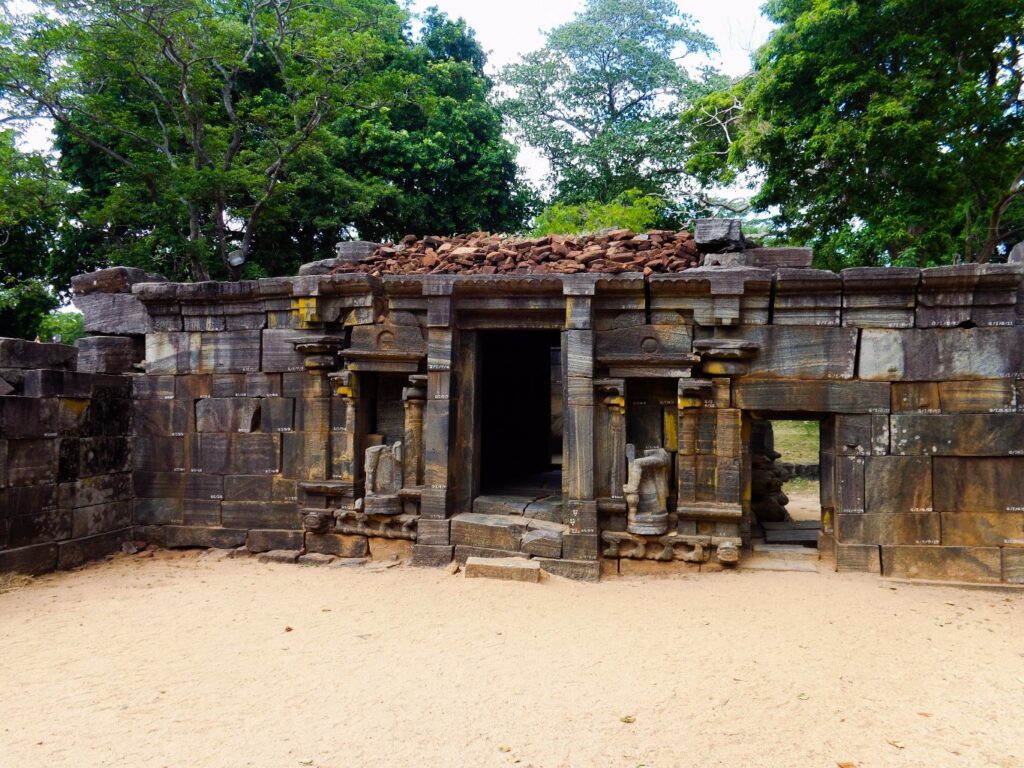
Polonnaruwa Ancient City is one of Sri Lanka’s most important historical sites and a proud UNESCO World Heritage Site, representing the country’s rich cultural, religious, and architectural heritage. Polonnaruwa served as the second capital of Sri Lanka from the 11th to the 13th century, following the decline of Anuradhapura. During this period, the city flourished under powerful kings such as King Parakramabahu I, who transformed Polonnaruwa into a well-planned urban center with advanced irrigation systems, magnificent temples, royal palaces, and Buddhist monuments.
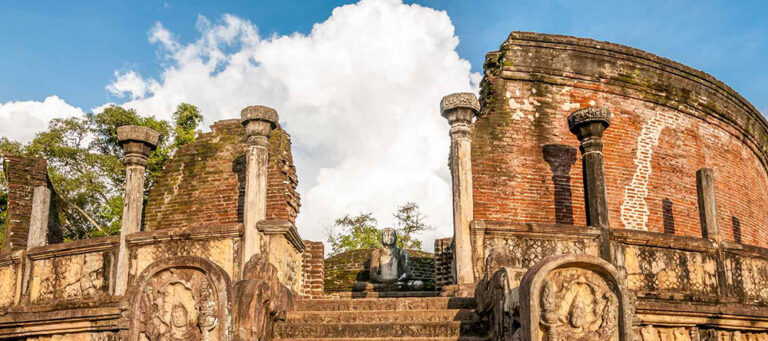
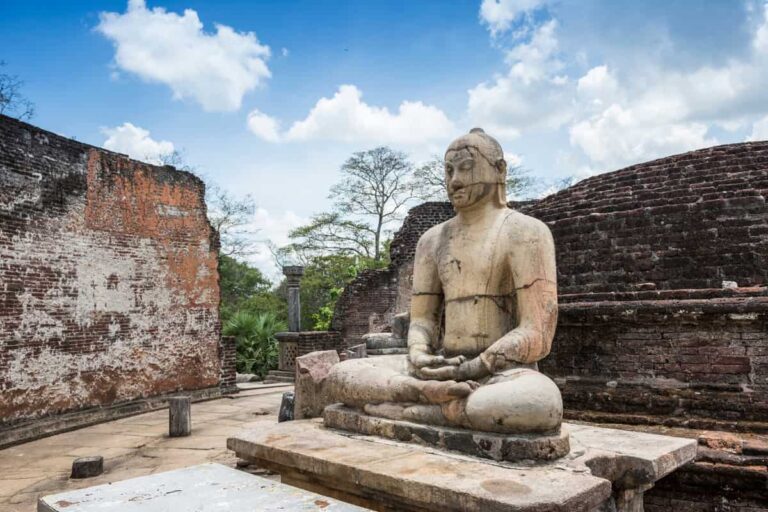
The ancient city is renowned for its impressive stone architecture and artistic achievements. Iconic landmarks such as the Royal Palace complex, the Quadrangle (Dalada Maluwa), and the world-famous Gal Vihara rock sculptures showcase the high level of craftsmanship achieved during the Polonnaruwa era.
Location on Map
Things To See


What can we do ?
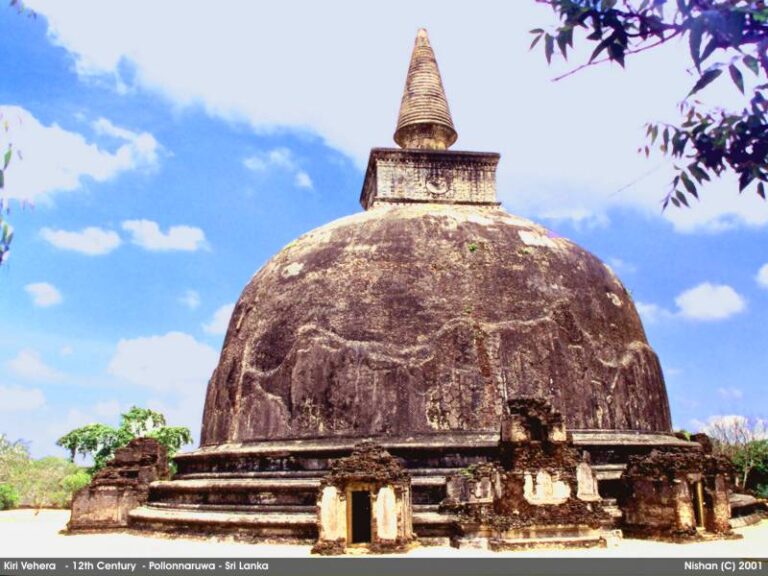
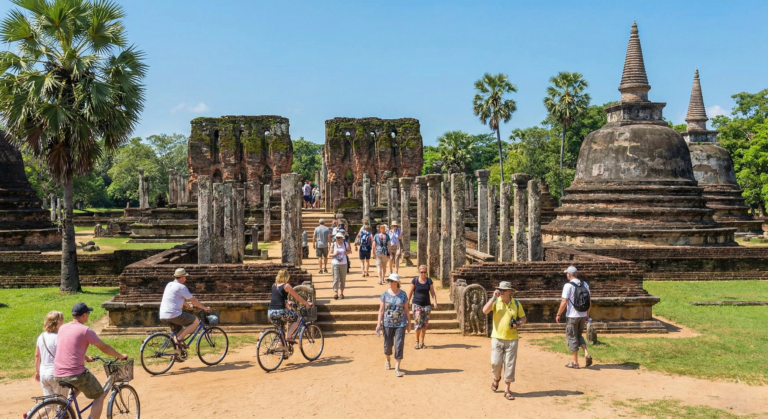
Visitors can explore ancient ruins, admire impressive monuments such as the Royal Palace, Gal Vihara, Polonnaruwa Quadrangle, Rankoth Vehera, and Parakrama Samudraya, learn about Sri Lanka’s ancient history, enjoy cycling around the archaeological area, and capture beautiful photographs of the historic surroundings.
Explore ancient ruins
See sacred Buddhist sites
Admire Gal Vihara statues
Cycling around the ancient city
Photography & sightseeing
Learn history with guides or information boards
Visit Parakrama Samudra
Educational visits & research
Nature observation
Which time best for visit ?
The best time to visit Polonnaruwa Ancient City is early morning (7:00 AM–10:00 AM) or late afternoon (3:30 PM–5:30 PM) when the weather is cooler and the lighting is perfect for sightseeing and photography. The dry season from May to September is ideal for exploring the ancient ruins comfortably.
Early Morning (Sunrise / Golden Hour)
Cool weather, soft light, fewer crowds
Late Afternoon (Sunset / Golden Hour)
Warm tones, scenic skies, ideal for photos
Midday
Not recommended due to heat and harsh sunlight
Night
Suitable only for city lights and special photography
Early Morning (Sunrise / Golden Hour)
Cool weather, soft light, fewer crowds
Late Afternoon (Sunset / Golden Hour)
Warm tones, scenic skies, ideal for photos
Midday
Not recommended due to heat and harsh sunlight
Night
Suitable only for city lights and special photography
How can we arrive?
The Ancient City of Polonnaruwa can be reached by bus, train, or private vehicle. Visitors can travel by bus from Colombo, Kandy, Dambulla, or Anuradhapura to Polonnaruwa town and continue by tuk-tuk or taxi. By train, visitors can reach Polonnaruwa or Hingurakgoda Railway Station and continue by road. Traveling by private vehicle is the most convenient option, with parking facilities available near the main attractions.
By Bus
Visitors can travel by bus to Polonnaruwa town from major cities such as Colombo, Kandy, Dambulla, and Anuradhapura.
From the Polonnaruwa bus stand, the Ancient City can be reached by tuk-tuk, taxi, or local transport.
By Train
You can take a train to Polonnaruwa Railway Station or Hingurakgoda Railway Station and continue the journey by tuk-tuk, taxi, or bus to reach the Ancient City.
ByPrivete Vehicle
Traveling by private vehicle is the most comfortable and convenient option. The Ancient City of Polonnaruwa is accessible by road, and visitors can easily explore the archaeological sites with parking facilities available near major attractions.
Start planning your
Sri Lanka trip
for free
Build your itinerary, save places, optimize routes, and explore Sri Lanka with KKF Trip Basket.
Frequently Asked Questions
Why is Polonnaruwa Ancient City famous?
Polonnaruwa is famous for its ancient temples, royal buildings, Buddha statues, and historical monuments from the Polonnaruwa Kingdom.
Is Polonnaruwa a UNESCO World Heritage Site?
Yes, Polonnaruwa Ancient City is recognized as a UNESCO World Heritage Site.
Is Polonnaruwa suitable for families?
Yes, it is a great destination for families, history lovers, and photographers.