
Dadigama
Kota Wehera
Religious Site
Historical Place
Archaeological Site
Overview
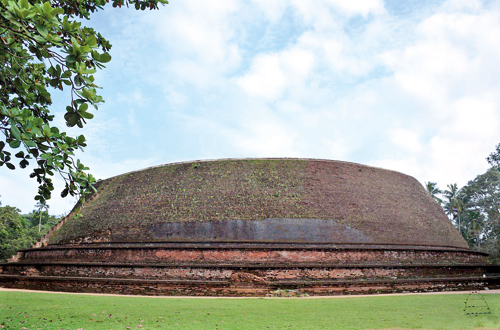
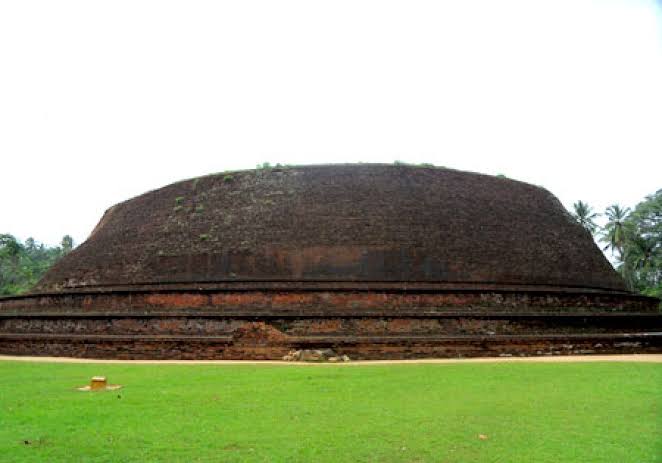
Dadigama Kota Wehera is a famous archaeological site located near Nelundeniya in the Sabaragamuwa region of Sri Lanka. In addition, this historic flat-topped stupa is well known for marking the birthplace of King Parakramabahu I.
Because it features ancient bronze artifacts and a site museum, Dadigama Kota Wehera provides an extraordinary cultural experience for travelers. Therefore, it is a very popular destination for visitors exploring the Kegalle district.
Furthermore, the quiet temple grounds offer a peaceful environment to study 12th-century architecture and ancient stone carvings. However, visitors should plan their journey during morning hours to avoid walking on hot sand courtyards.
Consequently, travelers can easily plan their trip using Google Maps to find the location.
Location on Map
Things To See


What can we do ?
Dadigama Kota Wehera is a prominent archaeological and historical destination offering stupa exploration, museum visits, and ancient heritage walks.
Explore the massive truncated brick stupa built over 800 years ago during the reign of King Parakramabahu I
Visit the on-site Dadigama Archaeological Museum displaying ancient oil lamps, pottery, coins, and royal relics
Photograph unique Polonnaruwa-era stone carvings and elephant wall bas-reliefs surrounding the stupa terrace
Pay respects at the peaceful temple shrine room housing ancient Buddha statues and traditional murals
Enjoy tranquil walks around rural village surroundings filled with shade-providing ancient Bodhi trees
Which time best for visit ?
The Dry Season from December to April is the best session for traveling to Dadigama Kota Wehera, offering dry stone pathways and comfortable walking weather across the open temple grounds.
Early Morning (Sunrise / Golden Hour)
Best for peaceful spiritual worship, avoiding hot stone courtyard floors, cool temperatures, and soft photography light
Late Afternoon (Sunset / Golden Hour)
Ideal for relaxed archaeological walks, photography, and experiencing quiet temple shade before dusk
Midday
Not recommended due to harsh sun heat on open sand courtyards where footwear must be removed
Night
The site and museum complex close around 5:30 PM and are not open for night tours
Early Morning (Sunrise / Golden Hour)
Cool weather, soft light, fewer crowds
Late Afternoon (Sunset / Golden Hour)
Warm tones, scenic skies, ideal for photos
Midday
Not recommended due to heat and harsh sunlight
Night
Suitable only for city lights and special photography
How can we arrive?
Dadigama Kota Wehera is located in Dadigama village, roughly 3 km from Nelundeniya junction along the Colombo–Kandy highway and 65 km from Colombo.
By Bus
Board any main bus traveling along the Colombo–Kandy highway (A1). Get off at Nelundeniya Junction (after Warakapola), followed by a short 5-minute local bus or tuk-tuk ride to Dadigama.
By Train
Take the Main Line train from Colombo Fort to Mirigama Railway Station or Ambepussa Railway Station. From the station, board a local bus or tuk-tuk heading towards Nelundeniya and Dadigama.
ByPrivete Vehicle
Drive via the Colombo–Kandy main road (A1 highway) past Warakapola. At Nelundeniya Junction, turn onto the Dadigama road and drive 3 km directly to the archaeological site entrance.
Start planning your
Sri Lanka trip
for free
Build your itinerary, save places, optimize routes, and explore Sri Lanka with KKF Trip Basket.
Frequently Asked Questions
What is the historic significance of Dadigama Kota Wehera?
It was constructed by King Parakramabahu the Great on the exact spot where he was born in the 12th century.
What is the famous Dadigama Elephant Lamp?
It is a famous bronze oil lamp discovered inside the stupa's relic chamber, engineered with an intricate hydraulic mechanism.
What should visitors wear when visiting Dadigama Kota Wehera?
Modest white or light attire covering knees and shoulders is required, and shoes must be removed on the upper stupa terrace.